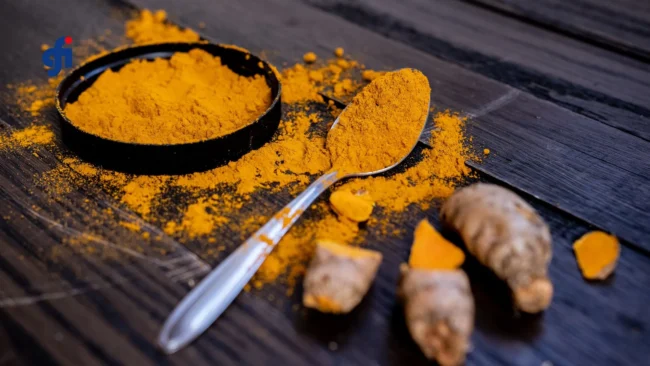
Cumin and a carbohydrate-controlled diet: does it really work?

Metabolic syndrome, blood sugar, and cholesterol: what science says Metabolic syndrome doesn’t appear overnight. It builds up over time, often silently, through unbalanced eating habits, a sedentary lifestyle, and small warning signs that tend to be ignored. A growing waistline, blood glucose levels that are “slightly above normal,” cholesterol that no longer falls within range.…

Bacterial Biofilm: the Invisible Enemy of Intestinal Well-Being

Why the microbiota depends on what we cannot see Bacterial biofilm is a highly organized biological structure composed of microorganisms that live aggregated and adherent to a surface. What makes it particularly effective is the production of a protective extracellular matrix, mainly composed of polysaccharides, which envelops bacteria like a barrier. This matrix can represent…

Neuro-nutritional approach to neuropathic pain

Neuropathic pain, inflammation and melatonin as supportive strategies Neuropathic pain represents one of the most challenging conditions to treat in clinical practice. It is caused by a lesion or dysfunction of the peripheral or central somatosensory system and manifests with persistent symptoms such as burning sensations, electric shocks, allodynia and hyperalgesia. These characteristics make neuropathic…

Nutraceuticals and neuropathic pain: role and benefits

How dietary supplements support traditional therapies Nutraceuticals arise from the intersection of nutrition and pharmacology and include substances of food origin with biologically beneficial effects on health. In recent years, their use has expanded in the treatment of neuropathic pain, especially as a support to traditional pharmacological therapies. The main objective is to improve pain…

A New Ally for Perimenopause

Shatavari and Perimenopause: What the Clinical Study Reveals Perimenopause is a physiological transition that can last several years, marked by irregular menstrual cycles, hot flashes, sleep disturbances, and mood changes. For many women, this phase represents a daily challenge. However, scientific research continues to identify new natural solutions, including Asparagus racemosus (Shatavari), an Ayurvedic herb…

Medicinal plants and children’s mental health

Natural remedies for anxiety, sleep, and concentration in pediatric age In recent years, interest in medicinal plants to support children’s mental well-being has grown rapidly. Anxiety, agitation, attention difficulties, sleep disorders, and mood alterations are increasingly common in pediatric age and often do not reach the clinical threshold for a true pharmacological treatment. In these…

Flavonoids and Chronic Liver Diseases

Mechanisms of Action against NAFLD/NASH and Liver Fibrosis Chronic liver diseases (CLDs)—ranging from steatosis to fibrosis and cirrhosis—remain a clinical challenge due to the limited availability of effective and well-tolerated treatments. A review published in Molecules (March 11, 2025) compiles preclinical evidence on three key natural compounds: baicalein, galangin, and isorhamnetin. The underlying theme is…