A clinical trial shows that an extract can reduce pain, joint stiffness, and inflammation in 8 weeks
Most people with chronic joint pain take at least one painkiller a month. It is a widespread phenomenon that conventional therapies manage with partial results and a risk profile that limits their long-term use. It is no surprise that there is growing interest in natural alternatives, provided that research supports them with concrete data.
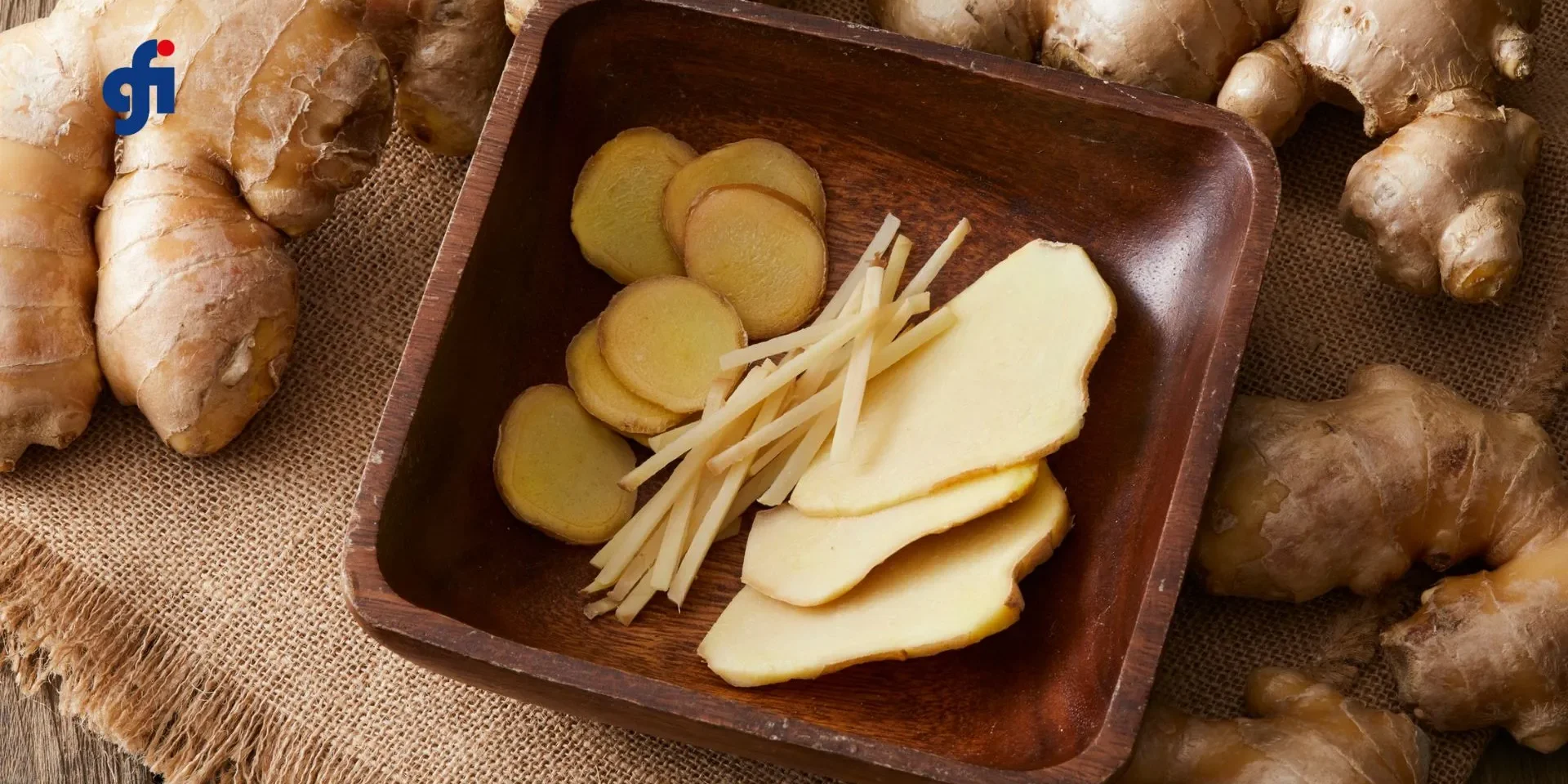
Ginger is one of the most studied ingredients in this field. The classic problem has always been the dose: in common root powder, the active compounds — gingerols — are present at low concentrations, around 1–2%. To achieve a measurable effect, 1–2 grams of powder per day are needed, often split across multiple capsules.
A trial published in Nutrients in July 2025 evaluated a more precise approach: a high-concentration extract, in which gingerols are isolated through supercritical CO2 and fermentation, administered at a dose of just 125 mg per day.
Why Gingerols Make a Difference
Gingerols are the most active polyphenols in the ginger rhizome. They act primarily through two mechanisms:
Anti-inflammatory action: they inhibit the molecules that activate the inflammatory process at the cellular level, in a manner similar to anti-inflammatory drugs but without blocking the enzymes that protect the stomach and kidneys.
Pain modulation: they act on a receptor (TRPV1) directly involved in pain signal transmission, with an analgesic effect that goes beyond the purely inflammatory component.
With a standardized extract at 10%, 125 mg of product provides 12.5 mg of total gingerols — a dose consistent with the effective thresholds reported in the literature and far more practical to take than conventional formats.
How the Trial Was Conducted
The study involved 30 adults (mean age 56 years) with mild to moderate musculoskeletal pain, including subjects diagnosed with osteoarthritis. The design was randomized, double-blind, with a placebo group, over 58 days of supplementation.
Every four weeks or so, participants performed a standardized physical test — squats with a load equal to 30% of body weight — designed to induce mild muscle stress and evaluate the pain response over the following 48 hours. The degree of perceived pain was recorded, along with results from two validated osteoarthritis questionnaires (WOMAC and Lequesne) and a panel of inflammatory blood markers.
Effects on Pain and Mobility
The clearest results concern the post-exercise recovery phase — the 48 hours following the physical test. The group taking ginger showed, compared to baseline:
Reduction in pain from sitting position, nighttime pain, and morning stiffness (WOMAC)
Improvement in the ability to perform daily activities such as climbing stairs or performing flexion movements
Reduction in hip osteoarthritis severity as early as 30 days (Lequesne Index), compared to 58 days required in the placebo group
Not all parameters reached statistical significance in the direct between-group comparison, partly due to the small sample size. However, the consistency of improvements across multiple measurements and multiple time points nonetheless strengthens the clinical plausibility of the observed effects.
The Effect on Inflammation
Blood analysis showed that participants treated with ginger maintained, on average, lower levels of some pro-inflammatory molecules compared to the placebo group. Following exercise, the extract attenuated increases in TNF-alpha, interleukin-8, and C-reactive protein — three markers reflecting acute inflammation, immune cell recruitment, and systemic inflammatory response, respectively.
An interesting finding concerns the overall immune profile: ginger does not appear to suppress inflammation indiscriminately, but rather to modulate its response. This behavior is consistent with what is known from preclinical literature on gingerols and is relevant from a formulation standpoint, as it suggests a selective mechanism of action.
Safety and Use of Painkillers
Less than half of the participants in the ginger group (46.7%) used over-the-counter analgesics during the study. In the placebo group, the figure was 73.3%. The difference is not statistically significant, but the direction is of interest for those evaluating this ingredient as a support for chronic pain management.
The safety profile was favorable over the eight weeks of the study: no significant changes in renal, hepatic, or cardiovascular parameters. Some subjects in the treatment group reported slightly higher frequency of headache and palpitations, events of minimal intensity and without statistical differences compared to placebo.
A data point to consider for future studies concerns the lipid profile: after 56 days, the ginger group showed differences in LDL values compared to placebo in some comparisons. Not significant when expressed as change from baseline, but a point to monitor in populations with dyslipidemia or with prolonged supplementation.
If your company is interested in developing formulations based on ginger extract::