What research says about their role in cardiovascular prevention and who can benefit from them
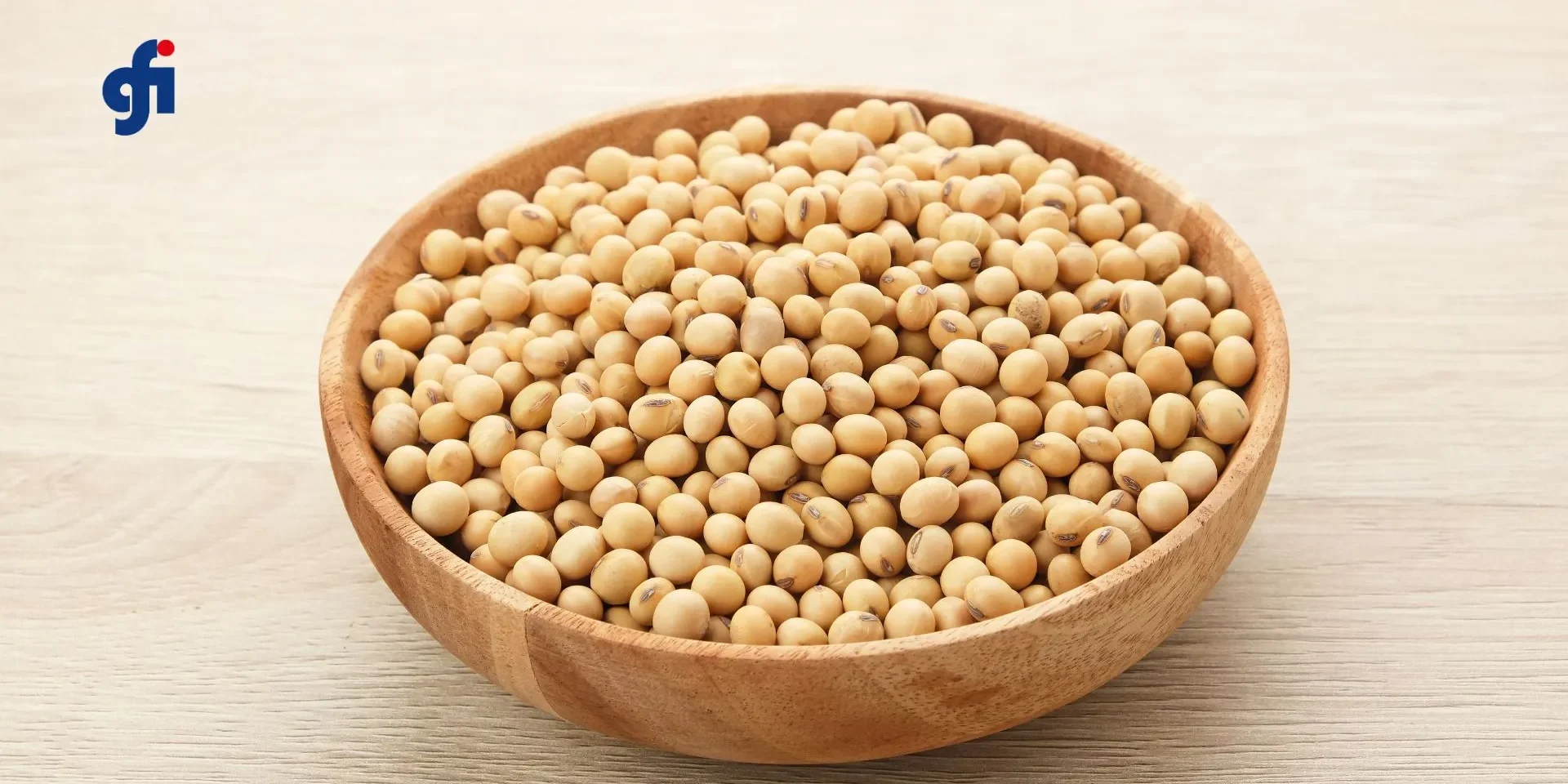
Soybean seed is among the most studied ingredients in nutraceuticals. Yet for decades, the key question has remained unanswered definitively: do its isoflavones, taken alone, really lower blood pressure?
The difficulty was not lack of data. It was that almost all studies mixed isoflavones and soy protein in the same product, making it impossible to tell which of the two components was actually acting on pressure.
A meta-analysis published in Nutrition Journal in 2024 finally clarified the picture, analyzing only studies in which isoflavones were administered in isolated form. The result is sharper than the previous literature suggested.
What are soy isoflavones and how they affect the body
Isoflavones are molecules naturally present in soybean seed. They belong to the phytoestrogen family: plant compounds with a chemical structure similar to human estrogen, capable of interacting with the body’s hormone receptors.
The three main molecules are genistein, daidzein, and glycitein. In addition to their hormonal action, they have well-documented antioxidant, anti-inflammatory, and cardioprotective properties. On the latter front, research has identified precise mechanisms of action.
Genistein and daidzein stimulate nitric oxide secretion in endothelial cells, promoting vasodilation and reducing peripheral vascular resistance. Both also inhibit angiotensin-converting enzyme (ACE), the same target of ACE inhibitor drugs, with hypotensive effects documented in experimental models.
In Asia, where soy is a dietary staple, the correlation between isoflavone consumption and lower incidence of cardiovascular disease has been observed in multiple epidemiological studies. Transferring this observation to a controlled supplementation context, however, requires far more rigorous evidence.
The meta-analysis: 24 randomized trials and a precise method
Lei et al. selected 24 randomized controlled trials published between 2000 and 2018, with a total of 1945 adult participants. The key inclusion criterion was one: isoflavones had to be administered in isolated form, with no soy protein in the intervention group.
Participants ranged in age from 44 to 74 years, with a clear predominance of women. Dosages ranged from 40 to 300 mg daily. The median duration of interventions was six months, ranging from 1 to 24 months.
The methodological quality of each study was assessed using the tools of the Cochrane Collaboration. The overall evidence was rated moderate, with very low heterogeneity among the included studies, indicating signal consistency across different settings and populations.
The results: blood pressure drops, both systolic and diastolic
Aggregate analysis showed a statistically significant reduction in both pressor measurements.
Systolic blood pressure is reduced by an average of 1.40 mmHg (95% CI: -2.62 to -0.14). That of diastolic by 1.11 mmHg (95% CI: -1.91 to -0.30). Heterogeneity among studies is practically absent: I² = 0.00%, a level of consistency not expected in a meta-analysis with such diverse populations.
These are modest reductions if you think about the individual patient. But cardiovascular preventive logic reasons on a population scale, and in that context even small changes translate into concrete numbers. A 5 mmHg reduction in systolic blood pressure corresponds to a 10 percent drop in the risk of major cardiovascular events. Isoflavones do not reach that threshold, but they come close.
Subgroup analyses indicated where the effect becomes most pronounced: in interventions of at least six months‘ duration, with formulations combining multiple isoflavones (not a single isolated molecule), and in individuals with metabolic syndrome or with values already in the prehypertension range (120-139 mmHg systolic).
To whom it may be useful and what the data say for the formulation
Soy isoflavones are not a substitute for antihypertensive therapy. But that’s not the most interesting area of application.
The natural target are people with blood pressure in the so-called gray range: values already above normal, but not yet in the pharmacological intervention zone. Prehypertension affects an important proportion of the adult population, and it is a condition in which nutraceuticals have a real role. A supplement with isoflavones, taken continuously and in a proper formulation, can help keep values under control.
Interest also extends to individuals with metabolic syndrome, where elevated blood pressure is associated with other risk factors such as insulin resistance and altered lipid profile. Isoflavones have shown favorable effects on more than one of these parameters, making them a functional ingredient with a broad action profile.
A critical issue for formulation developers concerns bioavailability. Daidzein is converted by the gut microbiota to equol, a metabolite with superior biological activity. However, this conversion occurs in only 25-30% of Western adults, compared with 60% in Asia. A supplement designed for the European market that does not take this variable into account is likely to underperform clinical expectations.
The meta-analysis found no clear dose-response relationship between isoflavone dosage (range 40-300 mg/day) and pressor reduction. The optimal dose remains open, which leaves room for future studies and formulation strategies that focus on bioavailability more than the raw amount of the ingredient.
If your company would like to create or manufacture a soy isoflavone product:
Source: Lei L, Hui S, Chen Y, Yan H, Yang J, Tong S. Effect of soy isoflavone supplementation on blood pressure: a meta-analysis of randomized controlled trials. Nutrition Journal. 2024;23:32. https://doi.org/10.1186/s12937-024-00932-6
