210 Patients, Four Months, Two Doses: What the New RCT Reveals About Cinnamomum Zeylanicum Extract
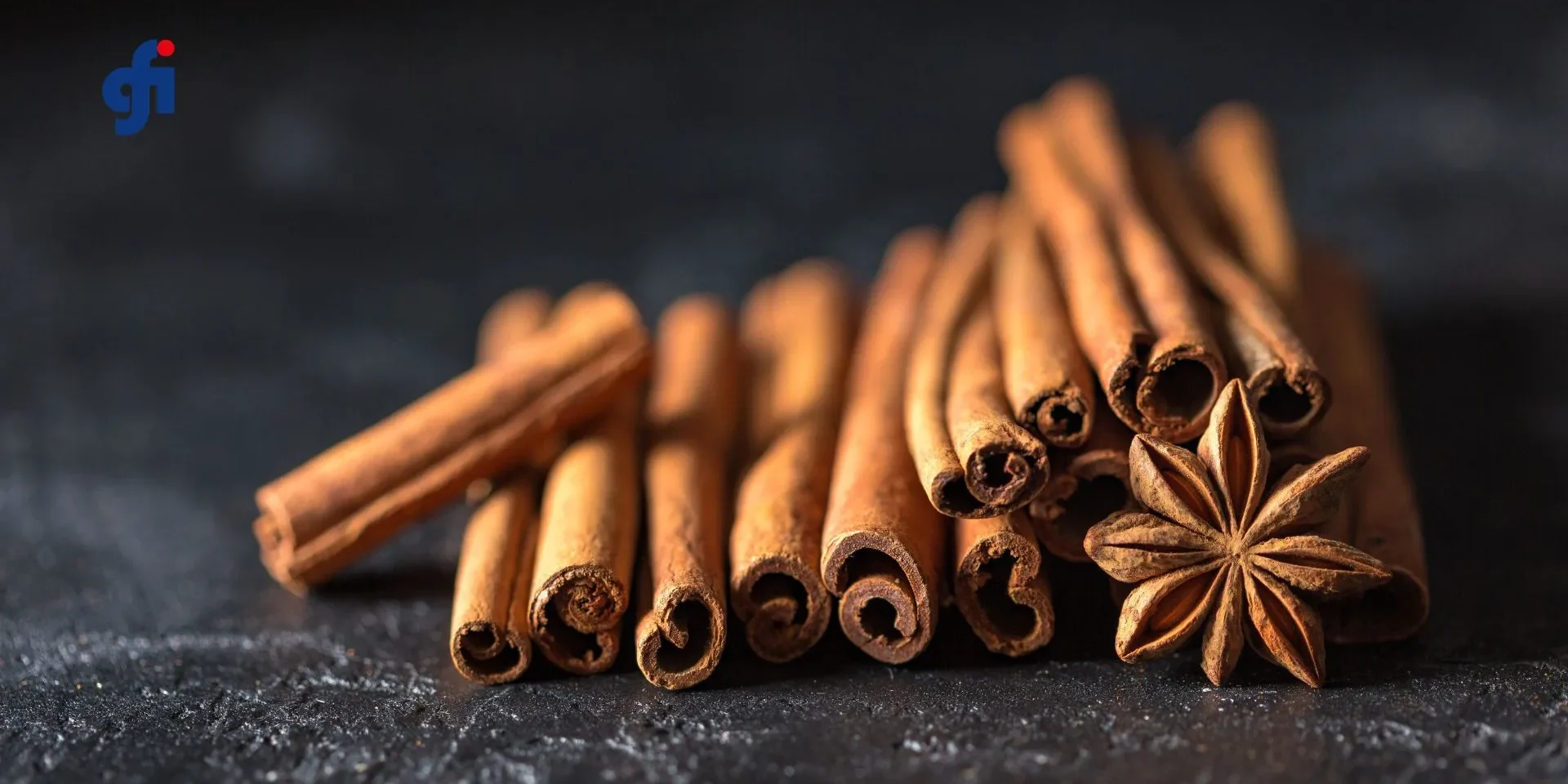
There’s a spice that almost everyone keeps in the pantry, good on a cappuccino or in holiday desserts, that has recently come under the lens of a clinical trial built with the same rigor reserved for a drug: randomization, double blinding, three arms, a lactose placebo indistinguishable from the active capsule. We’re not talking about common cinnamon, the Cinnamomum cassia found in supermarkets for a few euros, but its more prized relative, Cinnamomum zeylanicum, better known as Ceylon cinnamon. Its extract was administered for four months to 210 patients with type 2 diabetes, and the results, published in Diabetes & Metabolic Syndrome: Clinical Research & Reviews by Priyanga Ranasinghe’s group at the University of Colombo, deserve a close read.
Prediabetes is an uncomfortable grey zone for medicine: glucose values are already out of range, but rarely justify a drug. Guidelines recommend diet and exercise, which work, when people manage to stick with them over time. It’s in this space, between generic prevention and pharmacological therapy, that interest arises in natural compounds with documented pharmacology: not generic off-the-shelf supplements, but standardized extracts already backed by solid preclinical evidence.
What Does Ceylon Cinnamon Extract Do Inside the Body?
The proposed mechanisms act on several fronts at once. In the gut, the extract’s polyphenols slow down the activity of alpha-amylase and alpha-glucosidase, the enzymes that break starches down into simple sugars: less starch digested quickly, a more contained glycemic peak after meals. In muscle cells, the same compounds appear to promote phosphorylation of the insulin receptor, the gateway that lets glucose enter tissue instead of remaining in circulation. Then there’s the antioxidant action, less talked about but no less relevant, which in the literature is linked to protecting pancreatic beta cells from the chronic oxidative stress that accompanies type 2 diabetes.
How Was the Study Designed?
The trial followed a three-arm design, simple to explain but valuable for data quality: two groups treated with CZ extract, one at 250 mg and one at 500 mg per day, and a control group on an indistinguishable placebo. Here are the protocol’s key numbers, useful for gauging the strength of the evidence:
- Participants: 210 adults with type 2 diabetes, average age 58.6 years, 42.9% men
- Duration: 4 months, with monthly check-up visits
- Primary endpoints: change in HbA1c and fasting plasma glucose (FPG) from baseline
- Secondary endpoints: lipid profile, insulin resistance, beta-cell function, blood pressure, anthropometric parameters
- Completed follow-up: 186 of 210 patients, registered with the Sri Lanka Clinical Trials Registry
What Results Did Supplementation Bring?
At four months, both groups treated with the extract showed a statistically significant reduction in fasting glucose and glycated hemoglobin compared with baseline, along with an improvement in insulin resistance markers. The higher dose, 500 mg, did something more: it also significantly lowered total and LDL cholesterol compared with placebo. Regression analyses confirmed treatment as an independent predictor of glycemic changes, a statistical detail that matters because it excludes, at least in part, the possibility that the effect is due to chance or uncontrolled confounding factors.
Is the Effect the Same for Everyone, or Does It Depend on the Starting Point?
This is where the story gets interesting. The same research group had already tested CZ extract in an earlier, shorter trial (12 weeks) on a more heterogeneous population, 150 adults who weren’t all diabetic. There too, fasting glucose had dropped significantly versus placebo, but without affecting HbA1c or lipids. The key to interpreting this comes from the subgroup analysis: people who already had overt type 2 diabetes responded much better than those starting from normal glucose levels. In other words, Ceylon cinnamon seems to work as a metabolic corrector rather than a generic booster: it steps in where the system is already under stress, and less where there’s no need.
Why Aren’t All Cinnamons Alike?
Much of the historical literature on cinnamon and diabetes used Cinnamomum cassia, the inexpensive variety found in supermarkets. The difference from Ceylon cinnamon isn’t just about price or aroma: cassia contains coumarin concentrations orders of magnitude higher, a compound with a known hepatotoxic profile when intake is prolonged and at high doses. For daily, ongoing use, as intended for a food supplement, the choice of botanical species stops being a label detail and becomes a safety requirement.
What Changes for Those Formulating Cinnamon-Based Supplements?
Translated into operational practice, these data suggest some precise choices for those developing products in the glucose metabolism space:
- Certified botanical species: traceable Cinnamomum zeylanicum, not generic “cinnamon” blends
- Coumarin control: analytical verification during quality control of the raw material
- Dosage range: consistent with what has been clinically tested, between 250 and 500 mg per day
- Possible synergies: chromium picolinate or berberine, assessed case by case and in compliance with permitted claims
One limitation is worth keeping in mind: the data come from a single RCT in an Asian population, however well designed. Before speaking of established evidence, independent replications are needed, perhaps on European cohorts, along with a possible EFSA assessment of the health claims associable with the extract.
If your company is interested in developing formulations based on Cinnamomum zeylanicum extract:
Source: Ranasinghe P, Galappaththy P, Constantine GR, Jayawardena R, Weeratunga HD, Premakumara S, Katulanda P. “Efficacy and Safety of Cinnamomum zeylanicum (Ceylon cinnamon) for diabetes mellitus: a randomized, double blind, placebo-controlled clinical trial.” Diabetes Metab Syndr. 2025 Dec;19(12):103357. doi: 10.1016/j.dsx.2025.103357. PMID: 41412108. https://pubmed.ncbi.nlm.nih.gov/41412108/