Saffron Crocetin and Coronary Artery Disease: What a Controlled Study Reveals
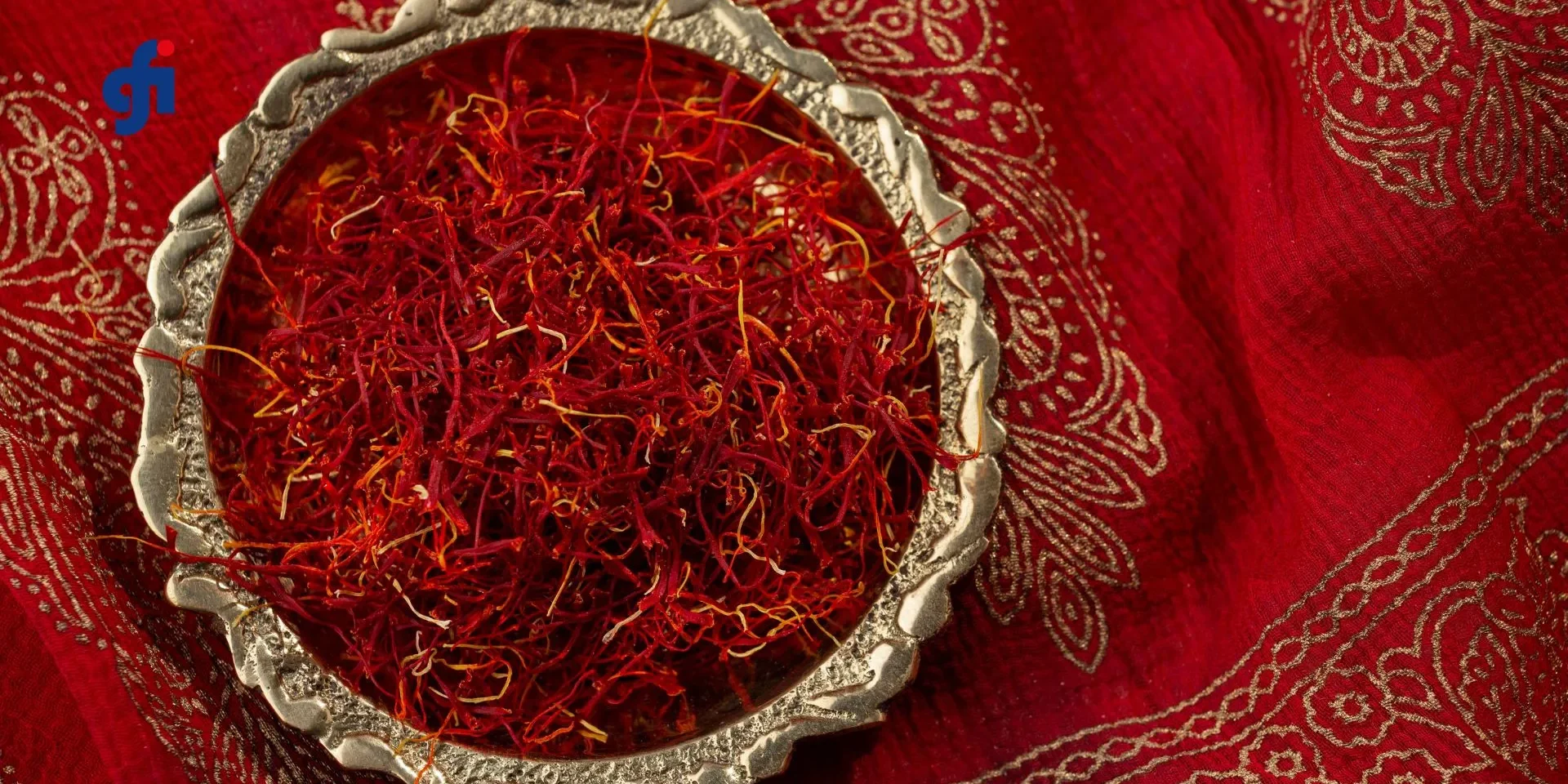
Saffron’s deep red colour conceals a sophisticated chemistry. Among its most studied carotenoids is crocetin, a molecule that in recent years has drawn the attention of cardiovascular research for its potential effect on inflammation and oxidative stress.
A randomized, double-blind, placebo-controlled study conducted in Ahvaz, Iran, put this hypothesis to the test in patients with established coronary artery disease. Over eight weeks, researchers monitored inflammatory markers, antioxidant enzymes and leptin, comparing crocetin supplementation with a placebo.
Crocetin: the saffron carotenoid with antioxidant activity
Saffron, obtained from the stigmas of Crocus sativus, owes much of its biological properties to a group of apocarotenoids that includes crocin, picrocrocin and crocetin. The latter is the molecule released by the hydrolysis of crocin and represents the most biologically active form of the complex.
In the literature, crocetin has been associated with reduced plasma levels of malondialdehyde (MDA), a marker of lipid peroxidation, and with support for endogenous antioxidant enzyme systems. In coronary artery disease, where chronic oxidative stress contributes to the progression of atherosclerotic plaque, this mechanism of action explains the interest of nutraceutical research.
Study design: crocetin in patients with coronary artery disease
The trial involved 50 patients, men and women aged between 40 and 65, with a clinical diagnosis of coronary artery disease. Participants were randomized into two parallel groups: 25 received a 10 mg crocetin tablet daily, and 25 received a placebo, for eight consecutive weeks. Both groups followed the same dietary regimen and the same physical activity programme, a condition that strengthens the comparability of the results.
The primary outcome was high-sensitivity C-reactive protein (hs-CRP), an established marker of vascular inflammation and predictor of cardiovascular risk. Secondary outcomes included superoxide dismutase (SOD) and catalase (CAT) activity, malondialdehyde levels, the atherogenic index of plasma (AIP), serum leptin and anthropometric parameters.
Why is high-sensitivity C-reactive protein the indicator chosen in this type of study? Because it reflects the degree of subclinical inflammation associated with the progression of atherosclerosis, and it is among the most widely used biomarkers for evaluating nutraceutical interventions in cardiac patients.
Catalase, the only measure showing a statistically significant difference
The comparison between the two groups, carried out using analysis of covariance (ANCOVA), showed no statistically significant differences for most of the measured parameters:
- hs-CRP: no significant difference between crocetin and placebo
- Serum leptin: no significant difference
- Superoxide dismutase (SOD): no significant difference
- Malondialdehyde (MDA): no significant difference
- Atherogenic index of plasma (AIP): no significant difference
The only parameter for which the analysis found a statistically significant difference between groups was catalase (p = 0.008), a key enzyme in the neutralization of hydrogen peroxide and in cellular defence against oxidative stress. A limited finding, but consistent with the antioxidant rationale attributed to the molecule.
Within-group changes: a finding to interpret with caution
In addition to the statistical comparison between groups, the authors reported the average changes observed within each group between the start and end of treatment. In the crocetin group, compared with the placebo group, the following changes emerged:
- SOD: an increase of 41.72 units, versus a decrease of 7.33 in the placebo group
- Leptin: a reduction of 1.86 ng/mL, versus 0.09 in the placebo group
- Atherogenic index of plasma (AIP): a reduction of 0.13, versus an increase of 0.04 in the placebo group
The picture, however, is not uniform. For hs-CRP, the study’s primary indicator, the average reduction was 119.62 in the crocetin group versus 156.91 in the placebo group: a finding that, taken alone, would point in the opposite direction to the starting hypothesis. This is a useful reminder: pre-post changes within a single group are not equivalent to demonstrated efficacy versus control. For this reason, the between-group ANCOVA comparison remains the primary reference for interpreting the results.
The authors themselves acknowledge this limitation and point to the need for confirmation in larger populations before drawing operational conclusions about the clinical use of crocetin in coronary artery disease.
Perspectives for crocetin-based nutraceutical formulations
For those working in the development of supplements aimed at cardiovascular health, this study offers more of a methodological cue than a definitive confirmation. The 10 mg daily dosage, the eight-week duration and the population of patients already under treatment for coronary artery disease outline a precise context of use. This context, however, requires validation in larger samples and longer observation periods.
Crocetin remains a molecule of interest for its documented antioxidant activity and for the safety profile typical of saffron derivatives. Its inclusion in nutraceutical formulations can represent an area of development for companies focused on metabolic and cardiovascular health. The condition remains that of communicating the available data with the rigour that the current literature requires.
If your company is interested in developing saffron crocetin-based formulations
Source
Moeini Badi F, Bathaie SZ, Borazjani F, Hosseini SA, Sheikhi MA, Shariful Islam SM, Ahmadi Angali K, Taban Sadeghi M, Rahimi P. “The effect of crocetin (a saffron carotenoid) supplementation on antioxidant and inflammatory indexes and serum leptin concentration in patients with coronary artery disease.” Food & Function, 2025;16(11):4604-4614. DOI: 10.1039/d4fo03396e. PMID: 40400479.