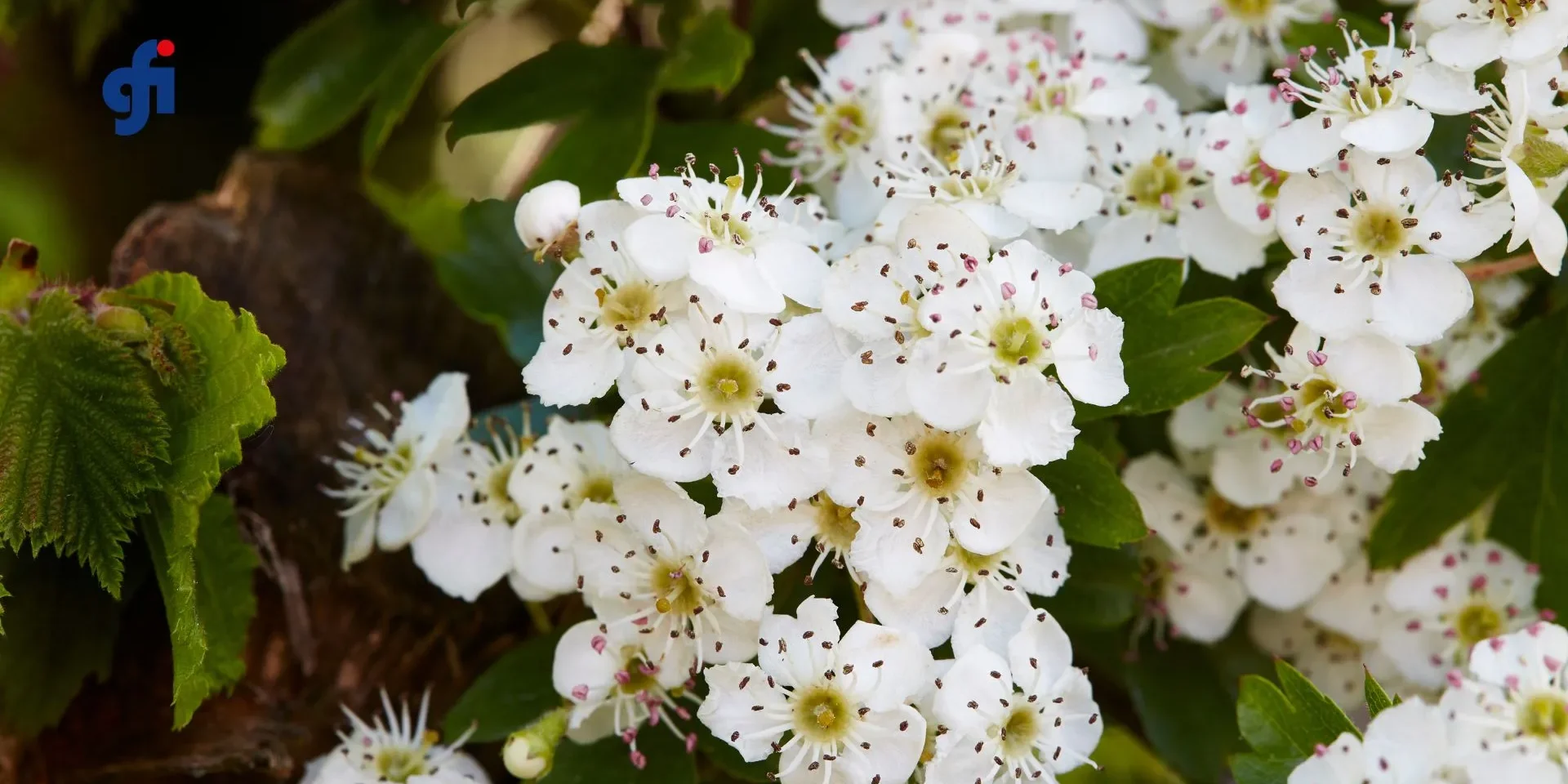
Crataegus monogyna: polyphenols, cardiovascular health and new nutraceutical prospects
There is a category of plants that folk phytotherapy has used for centuries in an almost infallible way, without knowing why they worked. Hawthorn is one of them. It was given to cardiac patients, used for blood pressure, brewed into herbal teas for those suffering from palpitations. Today, with the tools of modern analytical chemistry, the picture that emerges is not that of a plant generically good for the heart: it is something far more complex.
Crataegus monogyna is one of the most studied European plants in recent years. In its fruits, leaves and flowers, researchers have identified more than 300 chemical compounds: flavonoids, phenolic acids, procyanidins, carotenoids, polyunsaturated fatty acids. This is not a simple matrix, but a multi-level molecular system, where each component contributes to a specific biological activity.
A systematic review published in Molecules in 2026 reorganized and updated the available evidence on this plant, focusing on its antioxidant activity and its potential as a functional ingredient. The data that emerges is relevant for anyone working in nutraceutical formulation.
The phytochemical complexity of Crataegus monogyna
The polyphenol content of hawthorn varies significantly depending on the plant part analyzed. Leaves show the highest values: up to 365,110 microg GAE/g of dry weight in methanolic extracts, a figure that places this plant matrix among the richest overall in antioxidant capacity.
Among the main classes of compounds identified in C. monogyna:
- Flavonoids: rutoside, quercetin, catechin, epicatechin, vitexin, apigenin, naringenin
- Phenolic acids: cinnamic, ferulic, gallic, p-hydroxybenzoic, chlorogenic acid
- Procyanidins: B1 and B2, with antioxidant and cardioprotective activity
- Carotenoids: lutein and lycopene, with lipophilic antioxidant action distinct from polyphenols
The differences between extraction solvents are not negligible: ethanolic extracts concentrate a quantity of polyphenols about 3.9 times higher than aqueous ones. From a formulation standpoint, this variable has direct implications for the choice of standardization method and for defining the titer of the finished ingredient.
Rutoside and quercetin: the flavonoids that act at the vascular level
Rutoside (quercetin-3-O-rutinoside) is the most representative glycosylated flavonoid in hawthorn. Its molecular structure contains ten hydroxyl groups, which determine its ability to neutralize free radicals, chelate metal ions and protect cell membranes from lipid oxidation.
In preclinical models, rutoside has shown a well-documented activity profile:
- Reduction of platelet aggregation induced by collagen and epinephrine, with protection against acute thromboembolism
- Improved baroreceptor sensitivity and vascular function in hypertensive rats
- Reduction of systemic oxidative stress, with positive effects on lipid and glycemic profile in diabetes models
How does hawthorn’s quercetin act beyond its antioxidant effect? Rutoside is deglycosylated by the gut microbiota into quercetin and phenylacetic acid derivatives. With a bioavailability of less than 1%, quercetin acts on key inflammatory pathways such as NF-kappaB and MAPK, with documented inhibition of iNOS, COX-2, TNF-alpha and IL-6 in macrophage models.
Phenolic acids and carotenoids: the lesser-known molecules with measurable effects
Ferulic acid is one of the most interesting phenolic compounds in hawthorn’s composition. Besides its antioxidant activity, synergistic with gallic and chlorogenic acids, in vivo studies have documented significant antiplatelet effects: it inhibits aggregation induced by thrombin or collagen/epinephrine, reduces clot retraction and prolongs clotting times of both the intrinsic and extrinsic pathways.
In an animal model of diabetes, administration of ferulic acid at doses of 150-300 mg/kg corrected the lipid profile, reducing cholesterol and triglycerides in a manner comparable to or greater than metformin. This data opens up an application space for formulating products aimed at cardiometabolic risk.
Lycopene, present in hawthorn’s red berries at concentrations between 0.45 and 0.92 mg/g of dry weight, is one of the most powerful natural quenchers of singlet oxygen, with an estimated antioxidant activity up to ten times higher than that of vitamin E. In a randomized controlled trial, supplementation with natural lycopene in subjects with endothelial dysfunction improved endothelium-dependent vasodilation by 50-60% without changing serum lipids; in healthy populations the effect proved more limited, indicating targeted efficacy in at-risk subjects.
Hawthorn’s cardiovascular action: from mechanisms to clinical data
Hawthorn leaf extract, tested on isolated rat thoracic aortas, significantly reduced markers of oxidation and inflammation, including TNF-alpha and IL-1beta: two cytokines central to the pathogenesis of atherosclerosis and chronic vascular damage. This evidence aligns with the documented role of flavonoids, particularly vitexin, in endothelial protection and in limiting chronic inflammation.
Clinically, a study on 110 hypertensive patients evaluated the addition of hawthorn drops to standard pharmacological therapy. By the sixth week of treatment, the reduction in systolic blood pressure and mean arterial pressure compared to the control group was statistically significant. A result that indicates compatibility with antihypertensive polytherapies, although confirmation on larger cohorts is still needed.
Hawthorn has also shown the ability to inhibit cathepsin S, a cysteine protease responsible for extracellular matrix degradation in conditions such as cardiomyopathy, valvular disease and atherosclerosis. This finding, emerging from in vitro studies on organic extracts of C. monogyna, suggests a structural cardiac tissue protection mechanism that remains largely unexplored at the formulation level.
Hawthorn as a functional ingredient: formulation choices and standardization
The main challenge in using hawthorn in nutraceutical formulation is compositional variability. The concentration of vitexin, one of the key flavonoids for cardiovascular activity, depends critically on the extraction method. Microwave-assisted techniques have shown promising results in increasing polyphenol content while preserving biological activity, paving the way for standardized extracts with greater reproducibility.
The choice of plant part significantly influences both the phytochemical profile and the application target:
- Leaves: the richest source of total polyphenols and antioxidant activity; recommended for antioxidant and anti-inflammatory formulations
- Fruits: high concentration of carotenoids (lutein, lycopene) and procyanidins; suitable for cardiovascular and metabolic formulations
- Flowers: significant content of free quercetin and vitexin; preferred in traditional phytotherapy for circulatory health
Current scientific evidence supports the development of standardized formulations based on Crataegus monogyna for cardiovascular, metabolic and antioxidant applications. Areas requiring further clinical investigation include the definition of optimal dosages, the bioavailability of active ingredients in different galenic forms, and interactions with medications commonly used by cardiac patients.
If your company is interested in developing hawthorn-based formulations:
Source:
Kepinska-Pacelik J., Biel W., “Hawthorn (Crataegus monogyna Jacq.): A Review of Therapeutic Potential and Applications”, Molecules, 2026, 31, 226. DOI: https://doi.org/10.3390/molecules31020226