
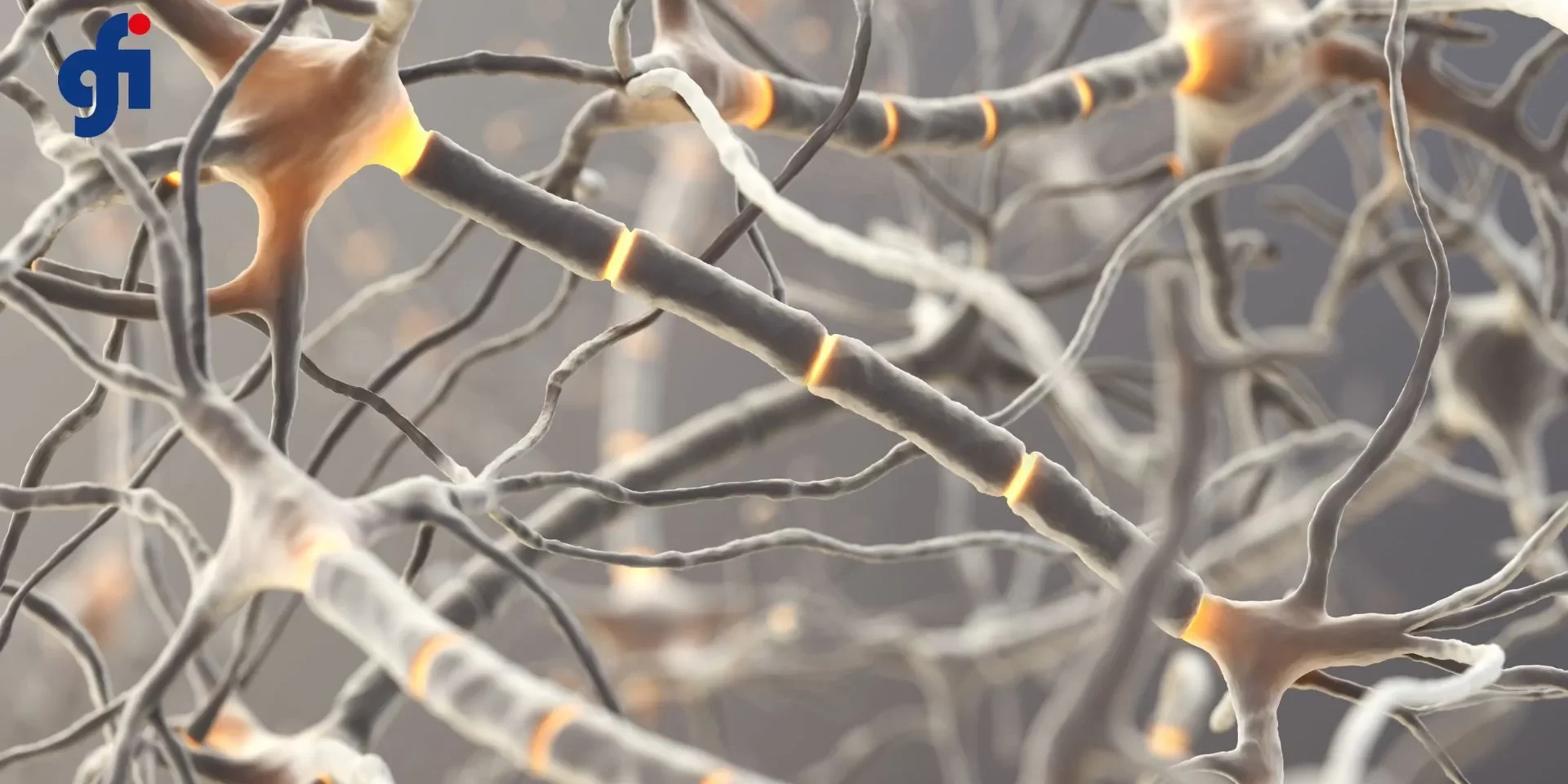
Neurological Anti-Inflammatory Effects of Adaptogens
Adaptogens are plants known for their ability to enhance the body’s resistance to stress, support cognitive functions, and regulate homeostatic balance.
Recent studies have highlighted their role in modulating neuroinflammation, a key process in various neurodegenerative diseases such as Alzheimer’s, Parkinson’s, and depression. These natural compounds act on multiple levels of the central nervous system (CNS), reducing chronic inflammation and promoting neuroprotection.
The Role of Neuroinflammation in Central Nervous System Diseases
Chronic inflammation in the CNS is a determining factor in the progression of neurodegenerative diseases and psychiatric disorders. Microglia and astrocytes are the primary cells involved in this process, with excessive activation leading to the production of pro-inflammatory cytokines such as TNF-α, IL-1β, and IL-6.
This prolonged inflammatory state compromises neuronal functionality, contributing to cerebral degeneration and cognitive impairment.
Recent studies show that neuroinflammation can be caused by both internal problems and external factors. These external factors include environmental pollution, chronic stress, gut imbalances, and poor nutrition. These elements exacerbate the inflammatory response in the CNS, increasing the risk of developing neurological disorders.
Molecular Mechanisms of the Anti-Inflammatory Action of Adaptogens
Adaptogens exert their neuroprotective action through various molecular mechanisms:
- Inhibition of pro-inflammatory signaling pathways: reduction of NF-κB, MAPK, and JAK/STAT activity, which are fundamental for the propagation of the inflammatory response.
- Regulation of the HPA axis (hypothalamus-pituitary-adrenal): improvement of stress response and reduction of cortisol production, a hormone associated with systemic inflammation.
- Activation of antioxidant pathways: increased expression of Nrf2 and HO-1 to counteract oxidative stress, one of the main factors of neuronal damage.
- Modulation of blood-brain barrier permeability: prevention of neurotoxicity induced by inflammatory metabolites and protection against infiltration of peripheral immune cells.
- Improvement of mitochondrial function: optimization of cellular energy production and reduction of oxidative stress in brain cells.
Selected Adaptogens and Their Effects
Schisandra chinensis
This plant has many bioactive lignans, like schisandrin A, B, and C. These compounds are known for their anti-inflammatory and neuroprotective effects. Studies in the lab and in living organisms show that Schisandra chinensis extract reduces TNF-α levels.
It also lowers IL-1β levels. It also stops NF-κB from moving into the nucleus, which reduces inflammation in neurons. Additionally, Schisandra modulates synaptic plasticity and improves cognitive functions, suggesting potential use in preventing cognitive decline.
Eleutherococcus senticosus
Also called Siberian ginseng, this adaptogen helps reduce neuroinflammation. It does this by blocking COX-2 and leukotriene production. Studies on ischemic stroke animal models have demonstrated a reduction in inflammatory cytokines and modulation of gut microbiota, suggesting an influence on the gut-brain axis. Researchers associate Eleutherococcus extract with reduced oxidative stress and improved neuronal resistance to ischemic damage.
Rhodiola rosea
The active compounds in Rhodiola, such as rosavin and salidroside, regulate stress responses and reduce cerebral inflammation. Rhodiola extract has been shown to inhibit NO and PGE2 production in LPS-activated microglia and decrease MAPK phosphorylation, limiting neuronal damage.
Clinical studies show that taking Rhodiola regularly can improve mood, memory, and mental endurance. This makes it a good choice for managing chronic stress and mental fatigue.
Withania somnifera
Known as Ashwagandha, this plant is widely used in Ayurvedic medicine for its neuroprotective properties. Studies have highlighted the ability of Withania somnifera to reduce microglial activation and inhibit the NF-κB pathway, as well as improve memory and cognitive functions in experimental models of Alzheimer’s and Parkinson’s disease. Furthermore, Ashwagandha stimulates neurogenesis and the production of BDNF, a neuronal growth factor essential for brain plasticity.
Considerations on Bioavailability and Safety
One of the main obstacles in the clinical application of adaptogens is their bioavailability. Many bioactive compounds have low permeability across the blood-brain barrier, requiring optimized formulations to enhance absorption.
However, most selected adaptogens are considered safe, with minimal side effects reported in clinical studies. Their prolonged intake can provide benefits without significant adverse effects, making them ideal candidates for preventive and supportive strategies.
Adaptogens represent an intriguing class of phytotherapeutics with significant potential in modulating neuroinflammation.
If your company is interested in creating or manufacturing a product to support cognitive functionality:
Source: Wróbel-Biedrawa, D., & Podolak, I. (2024). Anti-Neuroinflammatory Effects of Adaptogens: A Mini-Review. Molecules, 29(4), 866. https://doi.org/10.3390/molecules29040866