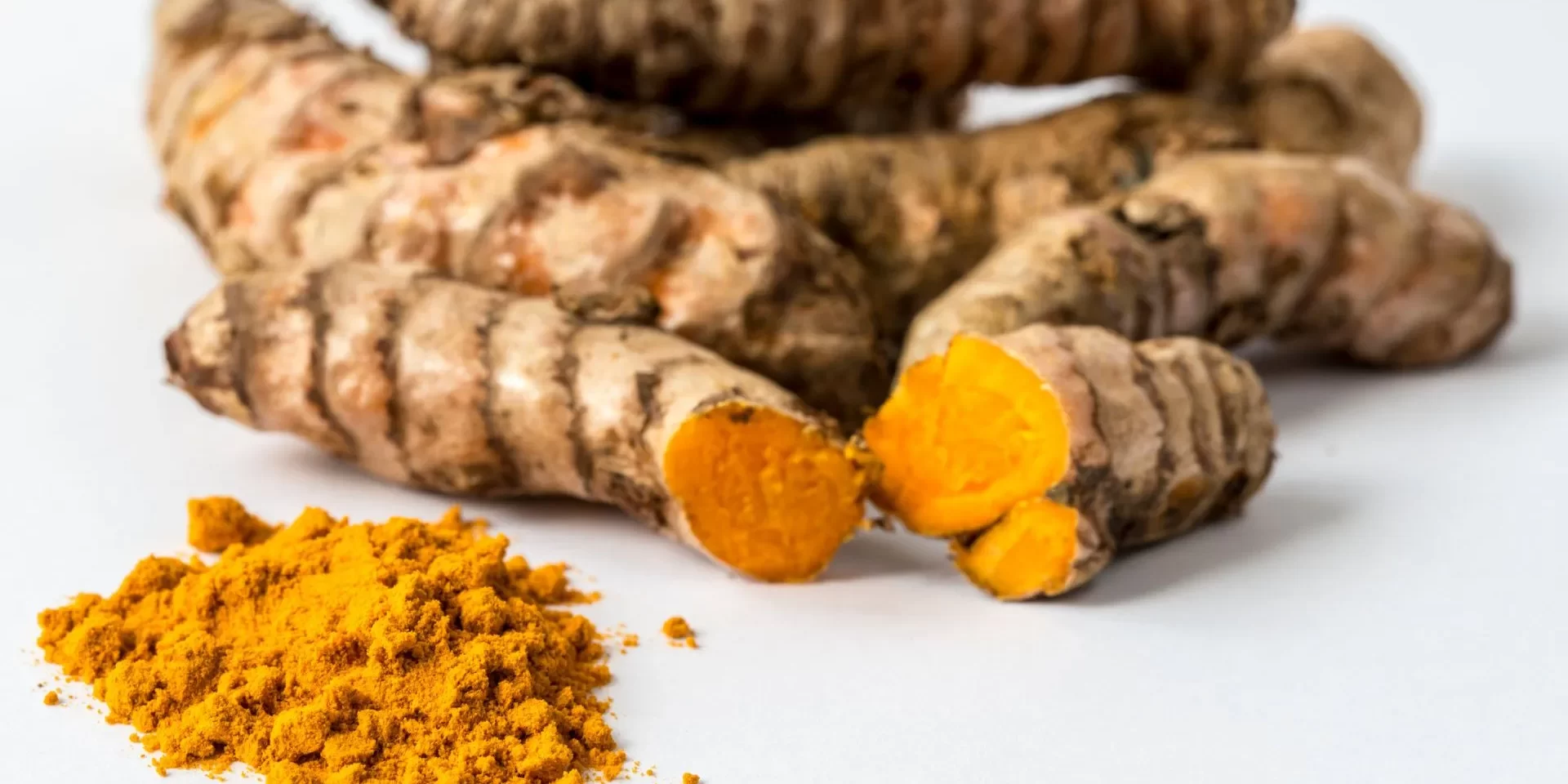
Curcuma Longa: Regulations and Safety of High Curcumin Extracts in Europe – Recent Developments and Prospects
In recent months, concerns have arisen regarding the use of Curcuma extracts and their suitability for indications and prescriptions.
The AME Drugs Commission (Association of Endocrinologist Physicians) has examined this issue and determined that the use of dietary supplements containing Curcuma extract, containing up to 95% curcuminoids (also known as curcumin), should not be hindered by current regulations. The regulations concerning the use of plant extracts in dietary supplements are established by the DM (Ministerial Decree) of July 10, 2018, which lists authorized substances and plant preparations and provides guidelines to ensure consumer safety.
Article 4 of this decree establishes the principle of “mutual recognition,” allowing the marketing of dietary supplements that do not comply with Italian standards but are legally manufactured and sold in other European Union member states or in Turkey or one of the EFTA (European Free Trade Association) states, which are part of the European Economic Area (EEA).
However, documentation attesting to the legality of the product as a dietary supplement in the country of origin is required, and the substances and plant preparations contained therein must not be considered “novel foods” according to Regulation (EU) 2015/2283.
The notification procedure for placing such supplements on the market is regulated by Legislative Decree 169 of May 21, 2004. It is important to note that all substances, preparations, and plant extracts obtained from plants listed in the July 2018 DM but without a history of food consumption before May 15, 1997, are considered “novel foods” and require prior authorization from the European Union.
With a note dated August 3, 2022, DIGISAN reported cases of hepatotoxicity associated with Curcuma Longa-based supplements and requested updates to warnings on products containing this substance. In particular, its use is discouraged in cases of liver problems, gallstones, pregnancy, and breastfeeding, with a suggestion to consult a doctor when taking medications.
DIGISAN also called on food sector operators to verify whether Curcuma Longa extracts with high curcumin content had been significantly consumed before 1997; otherwise, they should undergo approval procedures as “novel foods” according to Regulation 2015/2283.
However, the AME Drugs Commission emphasizes that despite the absence of documented food consumption, the use of Curcuma as a dietary supplement has been established in Europe before 1997, which could justify its marketing based on the principle of “mutual recognition.”
The Committee on Herbal Medicinal Products (HMPC) has examined the use of Curcuma rhizome and confirmed documented usage in Europe for treating various conditions, although its efficacy is debatable. Possible positive effects on other parameters have also been observed, but caution is needed when administering it concomitantly with medications.
In summary, the issue of using Curcuma Longa extracts with high curcumin content is complex, with implications for safety and regulation. DIGISAN has adopted a restrictive approach, but there are arguments in favor of use based on documented consumption history. The ongoing discussion is intended to guide future decisions regarding the regulation and prescription of these supplements.
For further details and regulatory support related to Turmeric extracts.