
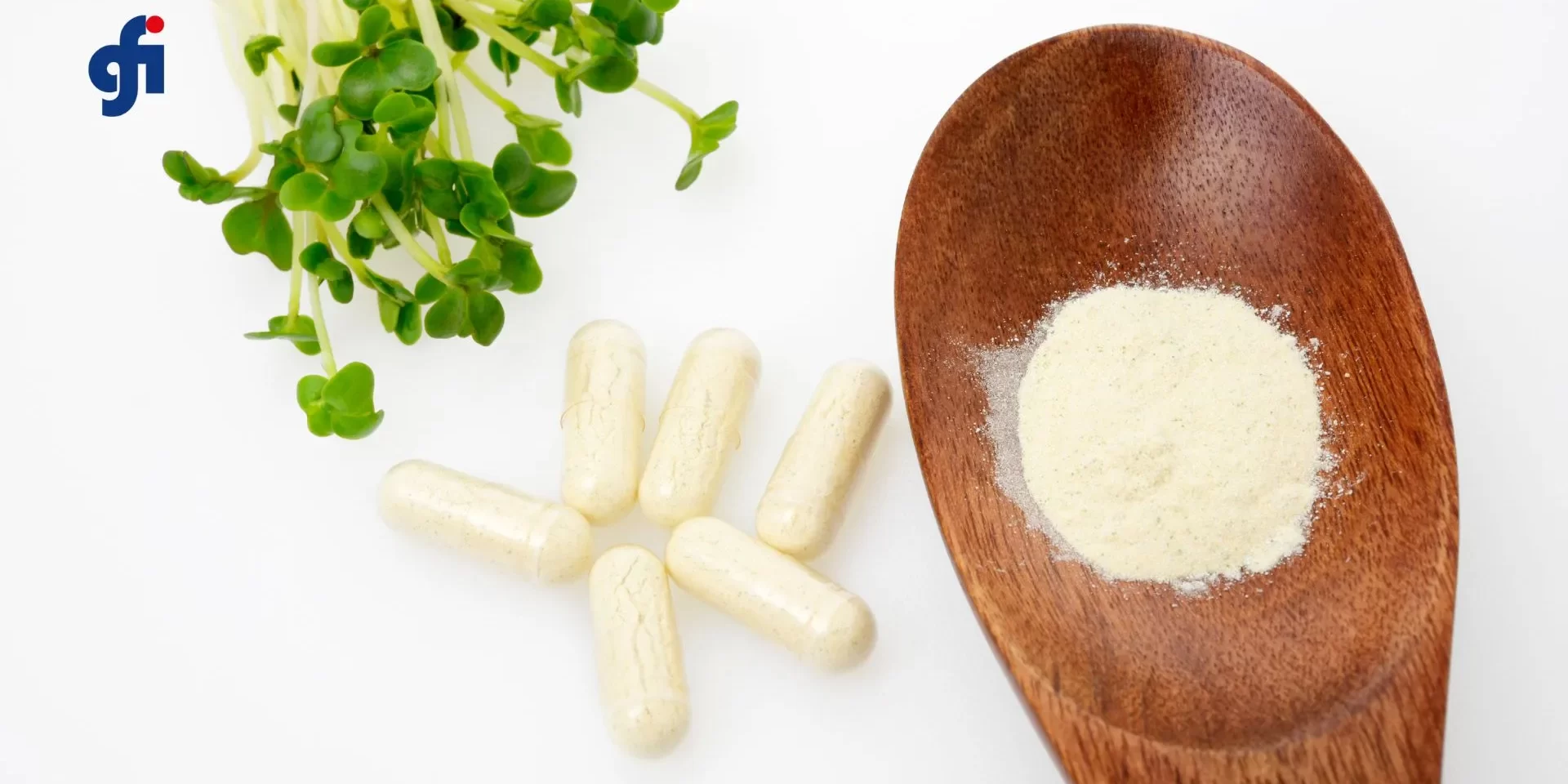
The Challenge of Negative Symptoms in Schizophrenia
Negative symptoms of schizophrenia represent one of the most challenging aspects in the clinical management of this condition.
Unlike positive symptoms, such as delusions or hallucinations, which respond relatively well to antipsychotics, disturbances such as apathy, social withdrawal, and blunted affect tend to persist over time, severely impairing patients’ daily functioning.
In a recent clinical study conducted in China and published in January 2025 in the Journal of Clinical Psychiatry, a natural agent called sulforaphane significantly reduced these symptoms when taken alongside antipsychotic therapy. Let’s take a closer look at the study’s results, methodology, and implications.
Sulforaphane: A Natural Compound with Neuroprotective Properties
Sulforaphane is a naturally occurring compound found in broccoli and other cruciferous vegetables, known for its antioxidant, anti-inflammatory, and neuroprotective properties.
One of its most notable characteristics is the ability to inhibit histone deacetylases (HDAC), key enzymes in epigenetic mechanisms that regulate gene expression. It is also recognized for its potential impact on the immune system and oxidative stress, both of which are involved in the pathophysiology of schizophrenia.
These properties make sulforaphane an ideal therapeutic candidate to target those aspects of schizophrenia—such as negative symptoms—that elude the control of standard antipsychotics.
Study Details: Design, Population, and Dosage
The clinical study was conducted at the Second Xiangya Hospital of Central South University in Hunan. It was a randomized, double-blind, placebo-controlled trial lasting 24 weeks.
Key characteristics:
Participants: 77 patients with schizophrenia, with prevalent negative symptoms
- Age: 18–50 years
- Treatment: 53 received sulforaphane (1,700 mg per day), 24 received placebo
- Antipsychotic therapies: remained stable throughout the study duratio
- Primary assessment tool: PANSS (Positive and Negative Syndrome Scale), with particular focus on the negative symptoms subscale
The formulation used was a high-potency version of sulforaphane (Avmacol Extra Strength), standardized to contain ≥30 mg of glucoraphanin per tablet, totaling approximately 136 µmol per day.
Marked Effect on Negative Symptoms
The findings were clear: patients treated with sulforaphane showed a significant improvement in negative symptoms compared to the placebo group.
Main data points:
- Significantly greater reduction in negative symptoms in the sulforaphane group as early as 12 weeks, peaking at 24 weeks (P ≤ .001)
- Large effect size with d = 0.83–0.86 at the end of the study
- Particular improvements observed in: blunted affect, social withdrawal, apathy, and spontaneity in conversation
No significant differences emerged in the Clinical Global Impression (CGI) scale, neither in overall severity nor perceived clinical improvement.
A Path Distinct from Antipsychotics
Sulforaphane likely acts through mechanisms different from dopaminergic antipsychotics. Its key actions appear to involve:
- Epigenetic modulation via HDAC inhibition
- Antioxidant activity with increased glutathione reserves
- Reduction of systemic and cerebral inflammation
- Possible neuronal protection and enhancement of synaptic plasticity
The study also demonstrated that the improvement in negative symptoms was not mediated by changes in depressive or cognitive symptoms, reinforcing the notion that the effect is direct and specific.
A New Option on the Horizon?
The effectiveness of sulforaphane in this study is comparable, if not superior, to that of some second-generation antipsychotics known for their activity on negative symptoms.
An improvement of about 3 points on the PANSS negative subscale is a significant signal, though not sufficient on its own to define a global clinical benefit.
if your company is interested in creating or manufacturing a product for the management of schizophrenia symptoms:
Source: January 2025, “The Effects of Sulforaphane on Negative Symptoms in Schizophrenia”, Journal of Clinical Psychiatry.