
A natural strategy against type 2 diabetes
Type 2 diabetes is one of the most widespread and dangerous chronic diseases in the world, associated with cardiovascular complications, chronic inflammation, and alterations in glucose metabolism.
Numerous studies are showing that adopting healthy lifestyles, combined with the use of natural supplements, can significantly improve metabolic parameters in diabetic subjects.
A recent study published in the European Journal of Sport Science in June 2024 analyzed the combined effects of an aerobic exercise program and saffron supplementation in obese postmenopausal women with type 2 diabetes. The results were very encouraging and open new perspectives for an integrated and natural approach to disease management.
The study: 12 weeks of physical activity and saffron
The study involved 44 women with type 2 diabetes, with an average age of 54 years and a body mass index (BMI) of 31. The selection criteria excluded serious diabetes complications, use of insulin or other medications beyond metformin, and habits such as smoking.
The participants were divided into four groups:
- ST (Saffron + Training): followed both an aerobic exercise program and took 200 mg of saffron daily
- PT (Placebo + Training): followed only physical activity
- SS (Saffron Supplementation): took only saffron
- P (Placebo): did not follow any active treatment
The intervention lasted 12 weeks, during which the exercise groups completed three aerobic sessions per week with increasing intensity. The protocol included warm-up, core exercise, and cool-down, with duration progressively increasing to 50 minutes.
Combined benefits on blood sugar, inflammation, and body weight
The results at the end of the study were particularly significant, especially in the group that combined exercise and saffron (ST). This group showed improvements in all observed parameters:
- Reduction in fasting blood glucose and insulin resistance (measured with HOMA-IR)
- Decreased levels of inflammation, particularly IL-6 and TNF-α cytokines
- Lower levels of fibrinogen and homocysteine, two markers involved in thrombotic and cardiovascular processes
- Weight loss, BMI reduction, and lower body fat percentage
The placebo group, on the other hand, showed a slight worsening in some parameters. The groups that followed only one of the two interventions (PT or SS) also obtained improvements, although less marked than the combination.
The mechanisms of saffron: anti-inflammatory and hypoglycemic
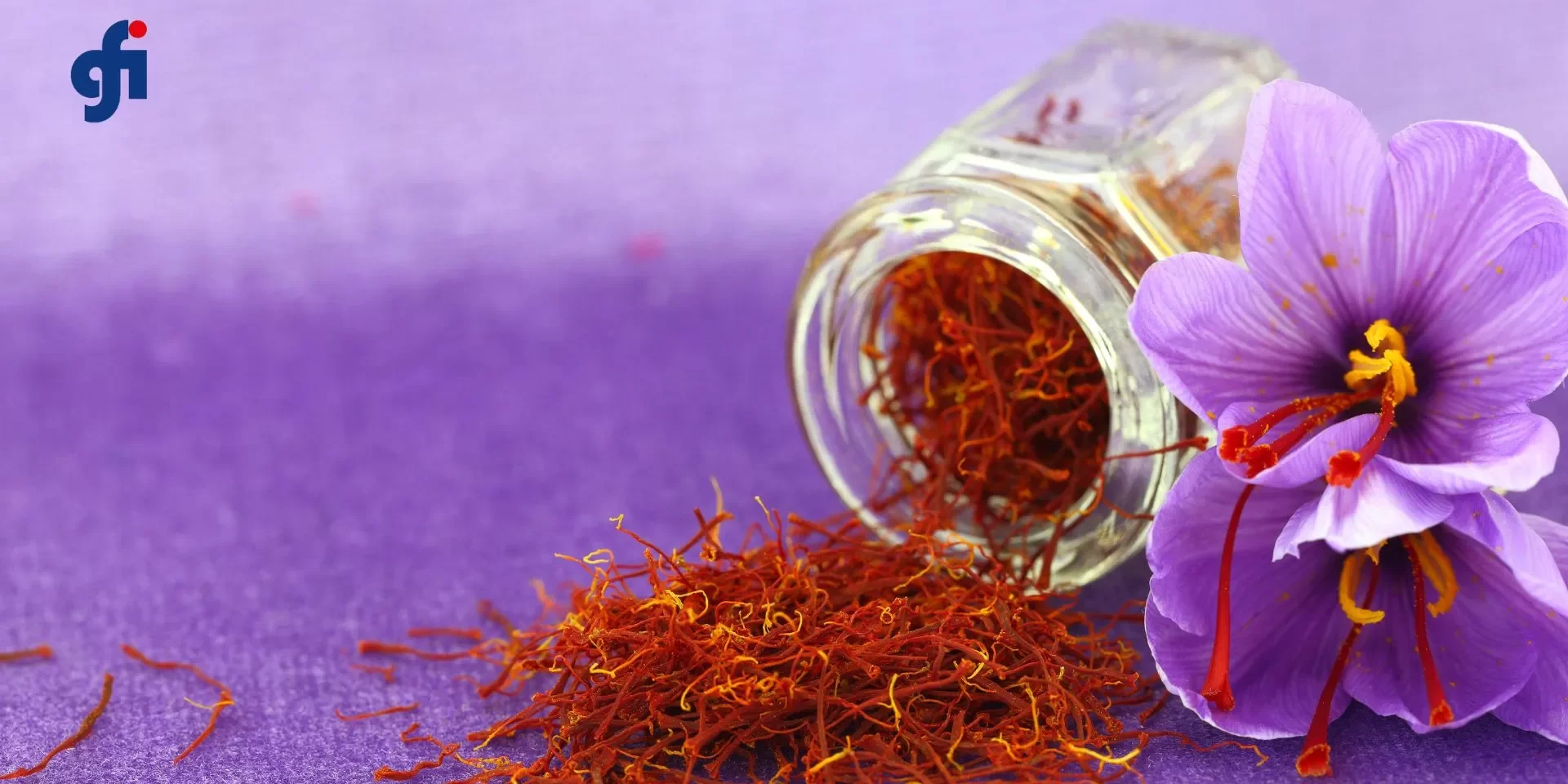
Saffron (Crocus sativus L.), known for its use in cooking and traditional medicine, contains bioactive substances such as crocin, safranal, and crocetin, which have demonstrated antioxidant and anti-inflammatory properties.
In the context of diabetes, saffron can:
- Stimulate the AMPK pathway, promoting glucose transport into muscles via the GLUT-4 receptor
- Improve insulin sensitivity, reducing blood sugar
- Counteract oxidative stress, one of the main causes of pro-inflammatory cytokine production
In addition, saffron may contribute to cardiovascular protection by reducing fibrinogen and homocysteine, two substances involved in blood clotting and endothelial damage.
The effect of aerobic activity on diabetes
Physical exercise, particularly aerobic exercise, is one of the most effective and recommended strategies for managing diabetes. The American Diabetes Association suggests at least 150 minutes per week of moderate aerobic activity to obtain metabolic benefits.
Aerobic activity helps:
- Increase glucose consumption by the muscles
- Improve cardiovascular function
- Reduce body fat, a major source of pro-inflammatory cytokine production
- Positively stimulate lipid metabolism and insulin sensitivity
In the PT group of the study, training effectively led to reductions in blood glucose, weight, and inflammatory markers, although to a lesser extent than the combination with saffron.
Advantages of the saffron-exercise combination
The most interesting finding from the study is the enhanced effect resulting from the combination of the two interventions. Saffron and exercise appear to act through complementary pathways, with synergistic results on blood sugar, inflammation, weight, and body composition.
Three main benefits of the saffron + exercise combination:
- Better blood glucose control and reduced insulin resistance
- Reduction in inflammatory markers and cardiovascular risk factors
- Significant weight loss and reduction in body fat
These results suggest that integrated, natural, and personalized approaches may be more effective than isolated strategies, especially in postmenopausal women, who are more vulnerable to diabetes complications.
A promising approach for metabolic health
The study shows that a protocol of regular physical exercise, combined with daily saffron supplementation, can be an effective, safe, and natural strategy to improve metabolic parameters in women with type 2 diabetes.
Although further studies on larger and more diverse samples are needed, the results suggest that this combination can be introduced as a support in the clinical management of diabetes, always under the supervision of a doctor or expert nutritionist.
The synergy between nutraceuticals and physical activity not only improves the quality of life of patients but also reduces the risk of long-term complications, opening new perspectives in the prevention and integrated care of chronic diseases.
If your company is interested in creating or manufacturing a product for type 2 diabetes:
Source: June 2024, The effect of 12 weeks of aerobic exercise training with or without saffron supplementation on diabetes-specific markers and inflammation in women with type 2 diabetes, European Journal of Sport Science.