
An Overlooked Issue: Sexual Dysfunction in Menopause
Menopause is a time of profound physical, hormonal, and emotional changes in a woman’s life. One of the most common—but often neglected—consequences is sexual dysfunction, which can include reduced desire, vaginal dryness, pain during intercourse, difficulty with arousal, and trouble reaching orgasm.
According to some estimates, up to 88% of postmenopausal women experience at least one form of sexual dysfunction. Yet despite its prevalence, this topic remains rarely discussed in clinical practice.
A major underlying cause is the decline in estrogen levels, which leads to reduced blood flow in the genital area, decreased vaginal elasticity, and lower lubrication. These changes contribute to what is known as the genitourinary syndrome of menopause, often associated with discomfort, dyspareunia, and emotional distress.
While hormonal therapies are effective for many, concerns about side effects—such as an increased risk of hormone-sensitive cancers—have led many women to seek safer, natural alternatives. This has sparked growing interest in herbal approaches like Rosa damascena extract.
Rosa damascena: A Promising Medicinal Plant
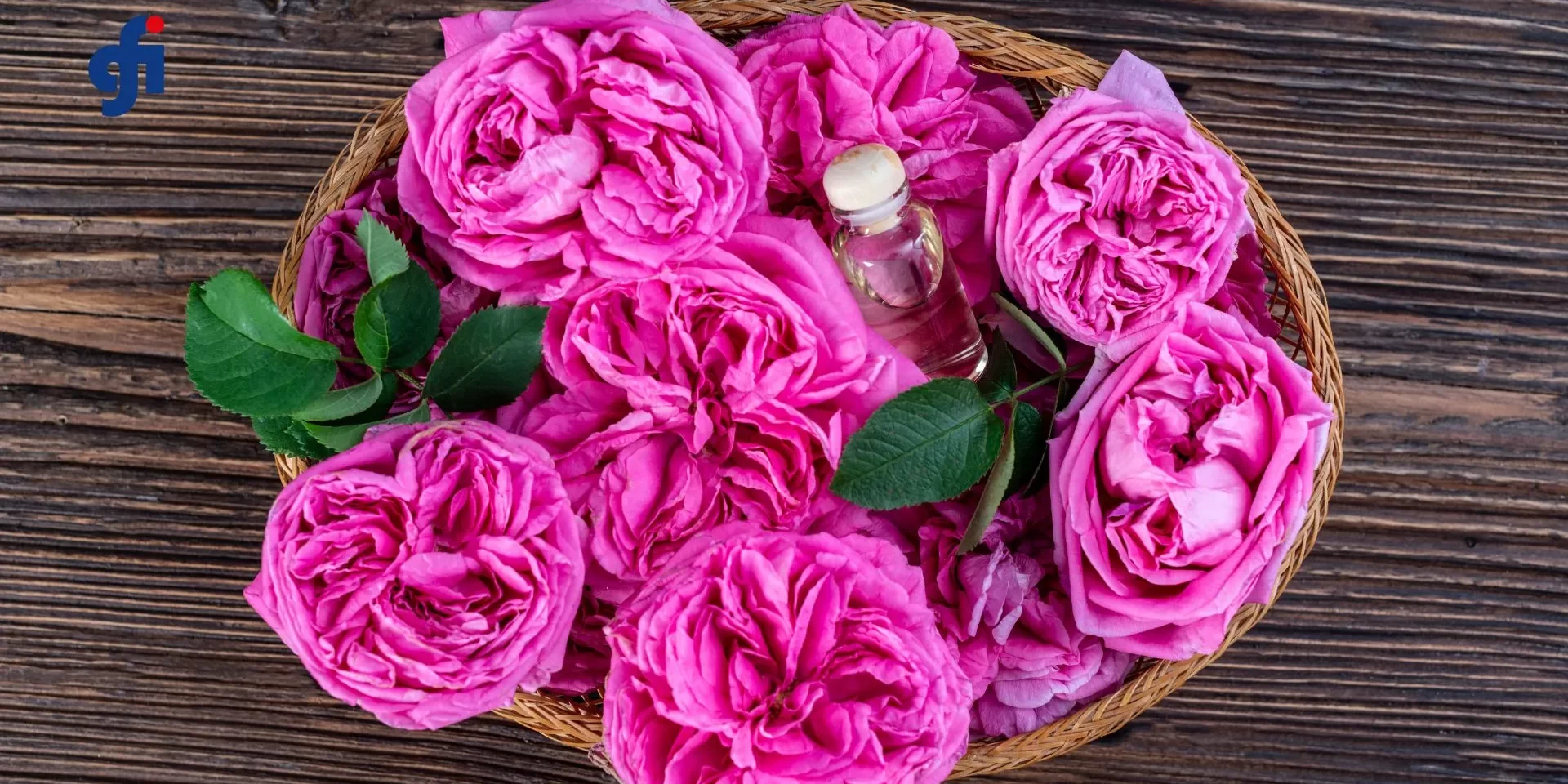
Also known as Damask rose, Rosa damascena is a plant native to the Middle East and has long been used in traditional medicine, especially for gynecological health.
Its petals contain a blend of active compounds such as flavonoids, isoflavones, terpenes, vitamins, and antioxidants. These components give the plant phytoestrogenic properties, allowing it to mimic the effects of natural estrogen.
This activity translates into local benefits—like improved blood flow and lubrication of vaginal tissues—as well as central effects, where some compounds may influence sexual response and desire through the modulation of neurotransmitters.
The Clinical Study
In 2025, a randomized, triple-blind clinical trial published in EXPLORE evaluated the effects of Rosa damascena extract capsules on sexual function in menopausal women.
The study involved 82 postmenopausal women, divided into two groups. One group received the plant extract every 12 hours for eight weeks; the other received a placebo identical in appearance but without active ingredients.
Sexual function was assessed using the Female Sexual Function Index (FSFI), a validated questionnaire that measures six domains of sexuality: desire, arousal, lubrication, orgasm, satisfaction, and pain.
Assessments were conducted at baseline, after 4 weeks, and at the end of the 8-week treatment.
What the Research Showed
The results were encouraging. Women who took Rosa damascena extract showed a significant improvement in total FSFI score as early as 4 weeks, with even greater gains at week 8.
More specifically, after the first month, improvements were observed in arousal, lubrication, satisfaction, and pain during intercourse. By week 8, further progress was seen in the domains of desire and orgasm, suggesting that the benefits are progressive and cumulative over time.
These results point to a positive impact not only on physical symptoms, but also on the emotional and psychological aspects of sexual well-being.
How Does Rosa damascena Work?
Researchers believe the plant’s effectiveness comes from multiple mechanisms. Its phytoestrogenic activity likely supports vaginal tissue health. At the same time, its antioxidant properties help combat inflammation and oxidative stress, which are common in midlife.
Another potential mechanism involves neurotransmitter modulation, possibly enhancing sexual desire through central nervous system pathways. Previous studies had already noted a positive impact of Rosa damascena on sexual function in men with dysfunction linked to antidepressant use or methadone therapy, suggesting an influence on sex hormone levels as well.
A Natural Opportunity for Sexual Well-Being
The findings offer a promising perspective: Rosa damascena extract could serve as a safe, well-tolerated natural option to support female sexual function during menopause.
In a time when many women are seeking effective, individualized, and physiology-respecting treatments, this plant could become a valuable tool in integrative medicine, helping enhance not just sexual health but also self-esteem, emotional balance, and relationship satisfaction.
if your company is interested in creating or manufacturing a product for menopausal sexual dysfunction: