Red Yeast Rice: Safety Under Review, Data in Hand
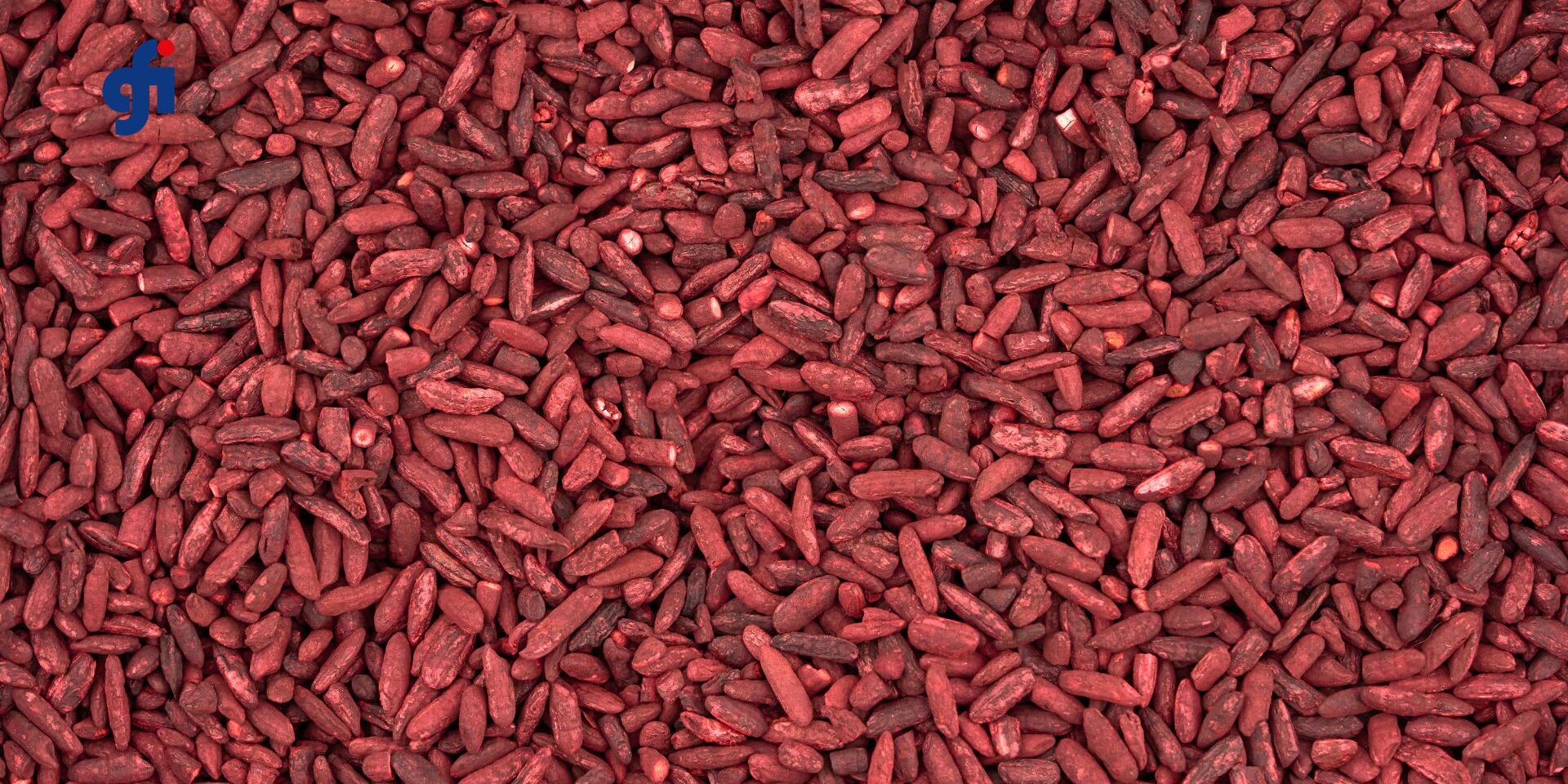
Red yeast rice has long entered the daily routine of those seeking nutritional support for cholesterol control. In Europe as in Asia, supplements containing it are among the most widely used, often perceived as a “natural” solution and therefore, by definition, harmless.
But is it really that simple?
Behind this seemingly familiar raw material lies a biologically active substance, monacolin K, which over the years has sparked intense debate among the scientific community, regulators, and healthcare professionals.
When Official Recognition Does Not End the Debate
The turning point came with Regulation (EC) No. 1924/2006. Following a positive opinion from EFSA, a health claim was authorized recognizing that monacolin K from red yeast rice contributes to the maintenance of normal blood cholesterol levels.
An important recognition, but not without conditions: the claim is valid only for products providing 10 mg per day of monacolin K.
And it is precisely this value that generated the first fractures. Ten milligrams represent a non-negligible dose, in some cases higher than that of lipid-lowering drugs based on statins. Hence the suspicion: if the molecule is similar to a statin, can it truly be treated as a simple food ingredient?
Safety Concerns and EFSA’s Intervention
The structural similarity between monacolin K and lovastatin led some Member States to request a specific safety assessment. The European Commission therefore tasked EFSA with evaluating the risk associated with the intake of monacolins from red yeast rice.
In the opinion published in August 2018, the Authority highlighted a critical element: the intake of monacolins may, in some cases, be associated with adverse events affecting the musculoskeletal system and the liver, similar to those observed in patients undergoing statin therapy.
Moreover, some reports describe undesirable effects even at relatively low doses, around 3 mg per day, with durations of use ranging from a few weeks to one year. Based on these uncertainties, EFSA concluded that it was unable to identify a risk-free threshold dose, hypothesizing the possibility of adverse events even at low exposure levels.
A cautious position, which significantly impacted the regulatory debate.
The Systematic Review That Changes Perspective
In the following years, however, scientific literature expanded with new data. A systematic review with meta-analysis addressed the issue using a rigorous methodological filter.
Out of 459 identified studies, only 53 were included in the final analysis. The selection followed stringent criteria: randomized controlled trials, explicit safety evaluation, complete recording of adverse events, and blinded treatment allocation.
Observational studies, non-randomized trials, those lacking a control group, or with incomplete adverse event data were excluded. A choice that reduced the number of studies analyzed but increased the robustness of the conclusions.
Over 8,500 Subjects, No Warning Signal
The included studies, published between 1999 and 2019, involved more than 8,500 subjects, divided between groups treated with monacolins from red yeast rice and control groups. The populations were heterogeneous in age, geographical area, and clinical conditions, including statin-intolerant individuals.
The result is clear: no study reported musculoskeletal adverse events for any of the administered doses (from 3.1 to over 5 mg/day), regardless of treatment duration (up to 12 weeks) or mode of administration, whether alone or in combination with other ingredients.
When expanding the analysis to the entire studied population, the statistical evaluation did not show an increased risk of serious adverse events related to age or dosage of monacolin K.
Two Interpretations, One Fixed Point: Data Matter
The conclusions of this meta-analysis clearly contrast with the more cautious position expressed by EFSA in 2018. According to the authors, the intake of monacolin K from red yeast rice appears safe and well tolerated, regardless of dose, treatment duration, and studied population.
The data also suggest a possible role in supporting cardiovascular health in subjects with mildly increased risk and in patients who do not tolerate statins.
The debate remains open, but one thing is clear: when it comes to safety, hypotheses are not enough. Numbers, methodology, and critical analysis are required. And it is on this ground that red yeast rice continues to be evaluated.
Source: Pharmacological Research – Safety of red yeast rice supplementation: A systematic review and meta-analysis of randomized controlled trials