Lacticaseibacillus paracasei: A natural aid for academic stress
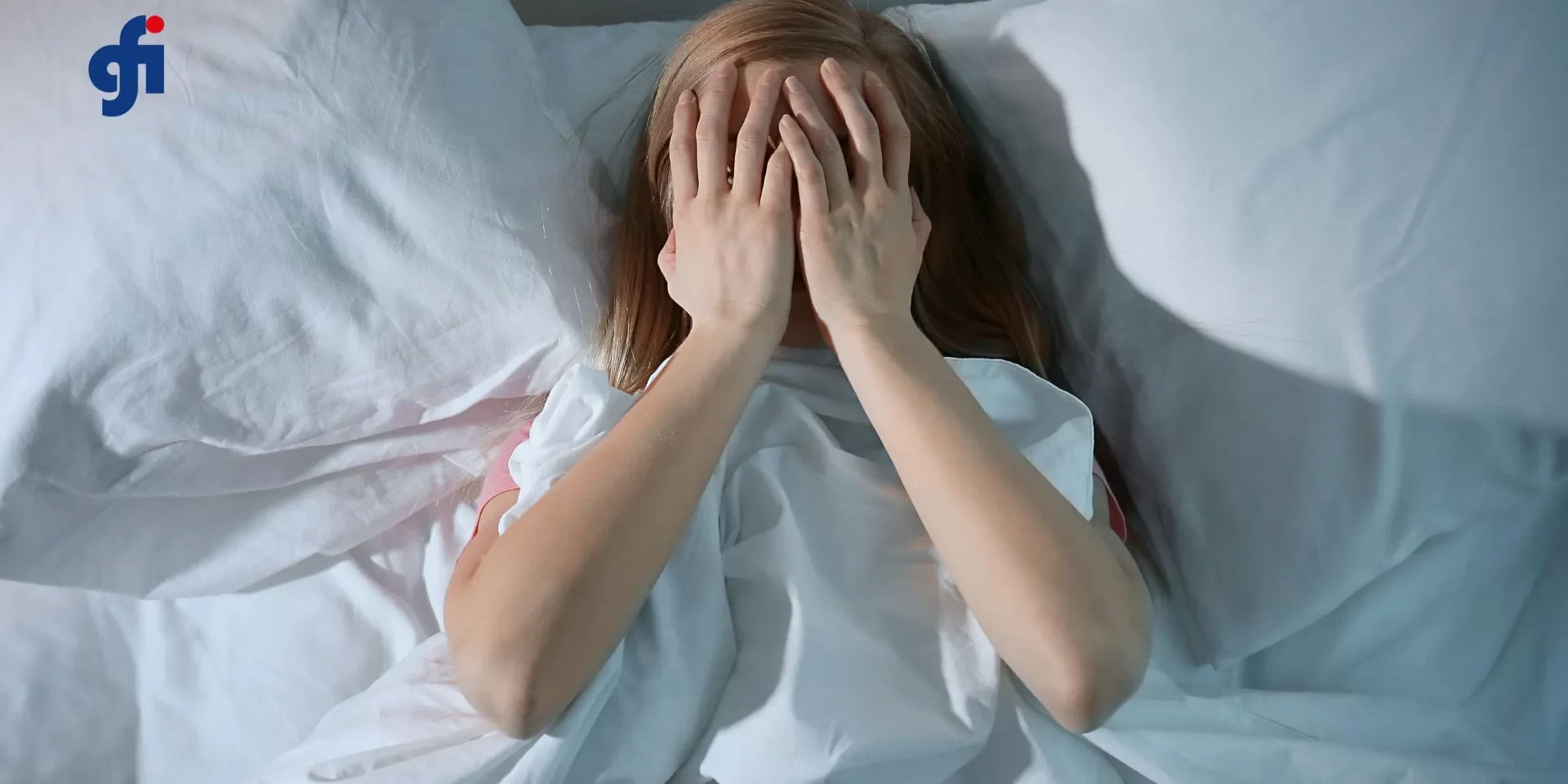
Stress is a very common condition among university students, especially for those in the final stages of their academic journey, such as writing a thesis or preparing for a defense.
The pressure of deadlines, high academic expectations, and uncertainty about the future can easily lead to anxiety, insomnia, and psychological distress.
To address this growing need for support, a group of researchers conducted a clinical study to evaluate the effects of a specific probiotic, Lacticaseibacillus paracasei, on the mental health of students approaching graduation. The results, published in the journal Frontiers in Nutrition, offer interesting insights into the use of probiotics for psychological well-being.
Clinical study and methodology
The trial was conducted with a rigorous design: a controlled, randomized, double-blind study. It involved 120 students with moderate levels of perceived stress, measured using the PSS-10 scale.
Participants were divided into two groups. One group took a fermented beverage containing Lacticaseibacillus paracasei for two weeks, while the other received a placebo beverage, identical in taste and appearance but without live microorganisms.
During the intervention period, psychological status was monitored through questionnaires, blood tests, and analysis of gut microbiota composition.
Perceived stress and anxiety symptoms
The first parameter examined was perceived stress. Although overall PSS-10 scores did not show statistically significant differences, women showed a more marked reduction compared to the placebo group.
More evident effects were found using the DASS-21 scale, which measures stress, anxiety, and depression. After just one week, students who had taken Lacticaseibacillus paracasei showed a clear reduction in stress and anxiety, with improvements confirmed at the end of the treatment.
Sleep quality
Sleep quality also improved in the group that took the probiotic, as indicated by the ISI index. This effect was more noticeable in younger participants and women.
However, general fatigue levels, measured with the FSS scale, did not show significant differences between the two groups.
Effects on gut microbiota and metabolism
Fecal analyses revealed a significant increase in beneficial bacteria of the Lacticaseibacillus genus in participants treated with the probiotic. At the same time, there was a reduction in some potentially pathogenic bacteria, such as Escherichia coli and Shigella.
This suggests that Lacticaseibacillus paracasei may contribute to a better balance of the intestinal microbiota, a factor increasingly recognized as essential to psychological well-being.
Butyrate and serotonin production
From a metabolic perspective, researchers observed an increase in butyric acid, a compound known for its beneficial effects on gut and brain health.
Butyrate helps stimulate serotonin production in the gut. In the probiotic group, blood serotonin levels were higher than in the placebo group, suggesting a possible mechanism of action via the gut-brain axis.
Safety and study limitations
One of the most encouraging aspects of the trial was the excellent tolerability of the treatment. No participant reported clinically relevant side effects.
However, the study has some limitations. It was conducted in a geographically limited population, with a majority of female participants, which may affect the generalizability of the results.
Moreover, the two-week intervention period may have been too short to fully detect changes in inflammatory markers. Participants’ diets were also not strictly controlled, which may have influenced outcomes.
Conclusion
The results suggest that Lacticaseibacillus paracasei, even in a short-term intervention, can help reduce stress, anxiety, and sleep disturbances in individuals under high psychological pressure, such as university students.
The effect appears to be mediated by improvements in gut microbiota and increased serotonin availability, supported by elevated butyrate levels.
If you are interested in creating or manufacturing a product to reduce anxiety and insomnia:
Source: March 2025, “Effects of Lacticaseibacillus paracasei K56 on perceived stress among pregraduate students”, Frontiers in Nutrition.