The Clinical Context: NASH and the Need for New Therapeutic Options
Nonalcoholic steatohepatitis (NASH) represents one of the most severe forms of nonalcoholic fatty liver disease (NAFLD), characterized by fat accumulation in the liver accompanied by inflammation and cellular damage.
With a global prevalence reaching around 25% and peaks of 31.8% in the adult population of the Middle East and North Africa, NASH is a growing chronic condition for which no universally approved pharmacological therapies currently exist.
Current therapeutic strategies are mainly based on lifestyle modifications, nutritional interventions, and management of risk factors such as obesity, insulin resistance, and oxidative stress.
In this context, there is growing interest in the use of herbal medicines with antioxidant and anti-inflammatory properties as possible adjuvants in the treatment of NASH.
Two Medicinal Plants in the Spotlight: Properties and Rationale for Use
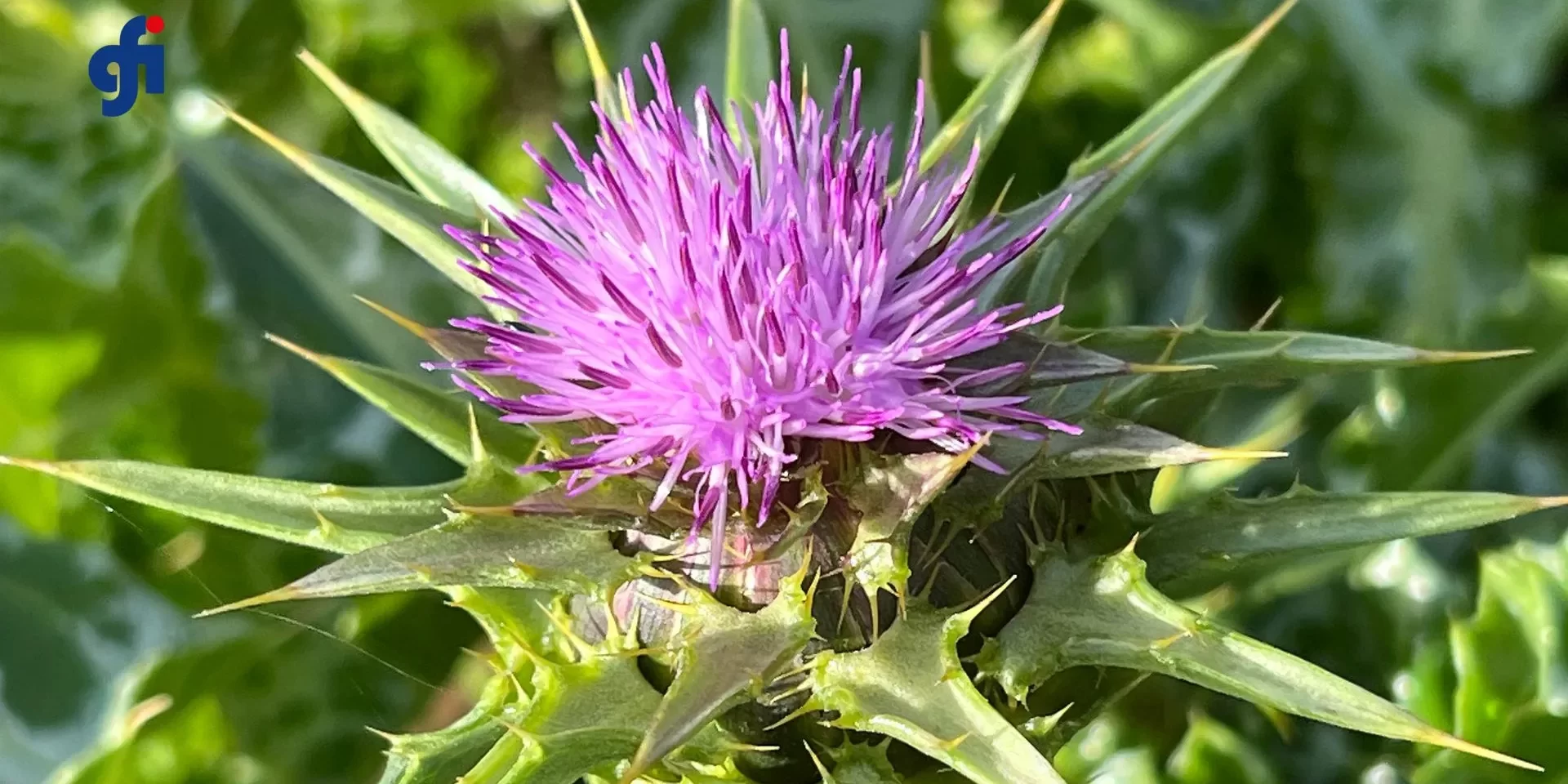
Milk thistle (Silybum marianum), long used in traditional medicine for liver diseases, is rich in silymarin, a compound known for its antioxidant, antifibrotic, and hepatoprotective properties. Preclinical and clinical studies suggest that silymarin can reduce transaminase levels and limit liver damage from oxidative stress.
On the other hand, Phyllanthus niruri—also known as “dukung anak”—is a tropical plant used in Ayurvedic and traditional Asian medicine. Extracts from its aerial parts have shown antioxidant, hepatoprotective, and immunomodulatory effects in both animal models and cell cultures.
A combination of powdered extracts from these two plants was therefore studied in a clinical setting to evaluate its effectiveness and safety in patients with clear risk factors for developing NASH.
The Clinical Study: Design, Methodology, and Population
The study was a phase II, multicenter, randomized, double-blind, placebo-controlled trial conducted in Egypt and published in 2025 in the journal BMC Complementary Medicine and Therapies. The treatment duration was 36 weeks.
Participants were divided into three groups:
- Placebo group
- Low-dose group (one capsule per day containing 200 mg of Phyllanthus niruri and 100 mg of Silybum marianum)
- High-dose group (two capsules per day)
All patients had elevated liver enzymes (ALT, AST), steatosis confirmed by CAP (Controlled Attenuation Parameter), and a Fib-4 score between F1 and F2.
Improvement in Liver Enzymes but No Significant Differences Between Groups
After 36 weeks, a significant reduction in ALT and AST levels was observed compared to baseline, particularly in the low- and high-dose groups. However, the percentage change between the groups did not reach statistical significance.
- In the high-dose group, ALT decreased from 61 to 47.5 IU/L (p < 0.0001), and AST from 43.5 to 32 IU/L (p = 0.001)
- In the low-dose group, ALT decreased from 57 to 40 IU/L (p = 0.026)
- No statistically significant difference in Fib-4 scores or in triglyceride, HDL, and LDL levels
- A significant improvement was also seen in the CAP score in the high-dose group (from 343 to 315 dB/m), but no relevant changes were recorded in kPa values or liver stiffness measurements.
A Promising Combination
The combination of Phyllanthus niruri and Silybum marianum proved to be safe and well tolerated in patients at risk for NASH, with signs of efficacy in improving liver enzymes.
However, the lack of significant differences between groups, the small sample size, and the absence of advanced functional indicators still prevent definitive conclusions on its therapeutic effectiveness.
If your company is interested in creating or manufacturing a product for patients at risk of NASH:
Source: January 2025, The activity of a herbal medicinal product of Phyllanthus niruri and Silybum marianum powdered extracts in patients with apparent risk factors for nonalcoholic steatohepatitis, BMC Complementary Medicine and Therapies.