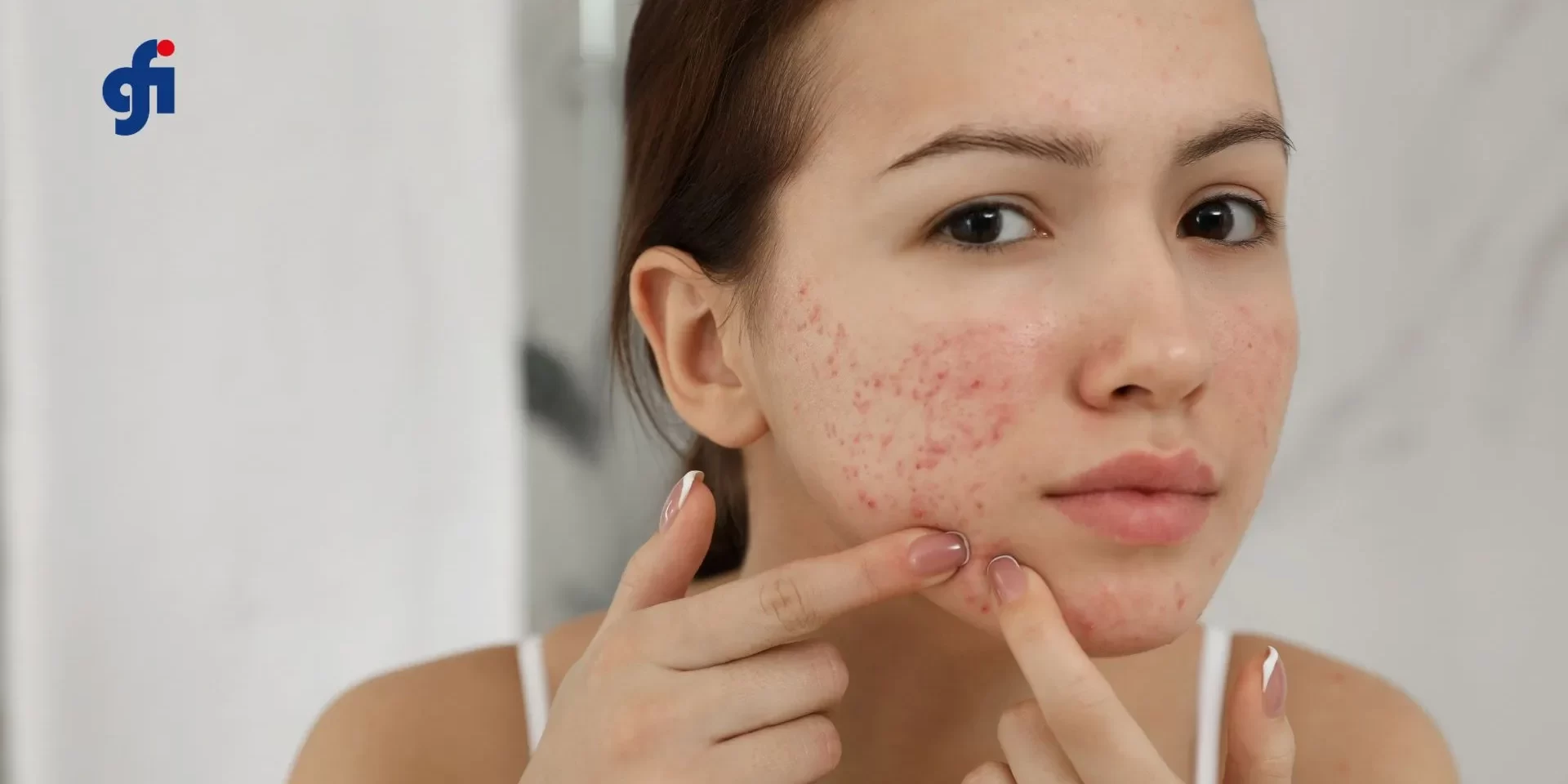
Acne: problems and the search for new solutions
Acne vulgaris, a dermatological disorder that mainly affects adolescents and young adults, goes far beyond simple aesthetic problems. Its physical manifestations, such as comedones, papules, and pustules, can leave permanent scars, while the psychological impact, which includes anxiety and depression, compromises the quality of life.
While numerous treatments exist, both topical and oral, the effectiveness of some is limited by the onset of side effects and, above all, by the growing problem of antibiotic resistance. In a context where the search for safe and sustainable alternatives has become crucial, a clinical study has explored the potential of a plant-based combination: the root extract of Berberis integerrima (commonly known as barberry) and spearmint essential oil.
The study, conducted by a team of Iranian researchers, analyzed the effectiveness of this mixture in a topical formulation, comparing it with a widely used standard treatment: 1% clindamycin. The results, published in the scientific journal Journal of Cosmetic Dermatology, offer an interesting perspective in the field of dermatology.
The study design: scientific validity for the acne results
The researchers set up their work as a randomized controlled clinical trial, a scientific methodology that guarantees high reliability of the results. The participants, over 12 years of age and suffering from mild to moderate acne, were randomly divided into two groups: one received the solution based on barberry and spearmint, the other clindamycin. The treatment involved applying the solution twice a day for four weeks.
Measuring effectiveness and safety
To measure effectiveness, the scientists used the Modified Global Acne Grading Scale (mGAGS), a score that evaluates the severity of acne, and also counted the total number of lesions before the start of the treatment and at the end. Before starting, all participants were subjected to a skin test to rule out allergic reactions, a fundamental step to ensure the safety of the experimental treatment.
The efficacy and safety of the Barberry-based treatment
After four weeks, both groups showed significant improvement. The participants who used the plant-based solution recorded a notable reduction in both the number of lesions and the mGAGS score. However, the most significant part of the results lies in the comparison between the two groups: no statistically significant difference in effectiveness was found between the plant-based treatment and the antibiotic one. This data indicates that the mixture of extracts has an effect comparable to that of a drug commonly prescribed for acne.
No side effects reported
Another crucial aspect of the study concerns the safety profile. Throughout the four-week period, none of the participants reported any side effects, such as irritation, redness, or allergic reactions. This observation is particularly relevant, as many conventional topical treatments are known to cause dry skin and irritation. The lack of adverse effects makes the barberry and spearmint mixture a potentially attractive option for patients.
Mechanisms of action: the reason for a proven effectiveness
The effectiveness of the combination of barberry and spearmint can be explained by their numerous active ingredients and their pharmacological properties.
The benefits of Barberry for acne-prone skin
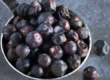
Berberis integerrima, a plant widespread in the Middle East and Central Asia, has long been the subject of studies for its medicinal virtues. Its effects are mainly due to an alkaloid called berberine, which has properties:
- Anti-inflammatory: Berberine reduces inflammation, a key factor in the pathogenesis of acne.
- Antimicrobial: It combats the proliferation of bacteria such as Propionibacterium acnes, one of the main culprits of acne.
- Antioxidant: It protects skin cells from oxidative stress.
- Antiandrogenic: It has been shown that berberine is able to reduce androgen hormone levels and sebum production, both factors that contribute to the development of acne. In short, berberine acts on multiple fronts, simultaneously addressing various causes of acne.
The role of Spearmint
Although spearmint essential oil was used in small quantities in the formulation, its contribution cannot be ignored. This essential oil is known for its properties:
- Antibacterial: Spearmint has also been shown to be effective against various bacterial strains, including those that cause acne.
- Antiandrogenic: Previous clinical studies have suggested that spearmint may have an antiandrogenic effect, reducing free testosterone levels. The combination of these two ingredients creates a synergy that could explain their remarkable effectiveness in combating acne.
Future perspectives for acne treatment
The study’s limitations include a relatively short duration (4 weeks) and a small sample size (60 patients). To confirm long-term effectiveness and safety, studies with a larger number of participants and a longer observation period will be necessary.
Despite this, the barberry root extract and spearmint essential oil represent a promising natural alternative for the treatment of acne vulgaris. Their safety profile, combined with an effectiveness comparable to that of conventional treatments, makes them an interesting option for the management of this widespread dermatological disorder.
If your company is interested in creating or manufacturing a product for acne management:
Your strategic partner for the development and production of nutraceutical and cosmetic solutions.
We offer comprehensive Contract Development and Manufacturing (CDMO and third-party manufacturing) services for the ideation, production, and commercialization of:
-
Food supplements
-
Medical devices based on substances
-
Dermocosmetics