
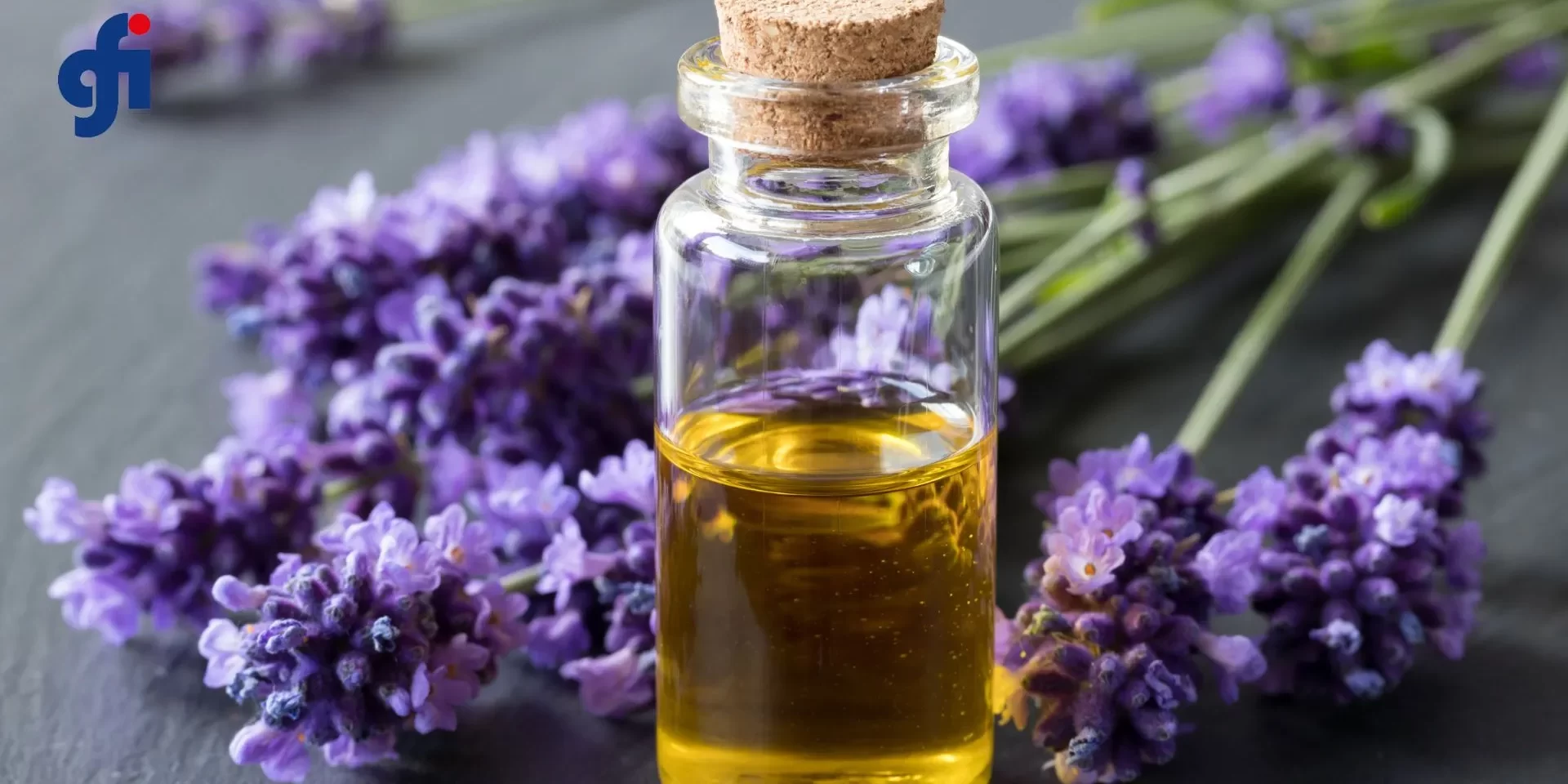
Clinical Study: Lavender and Sexual Well-being in Women
The use of natural remedies to relieve menopausal symptoms is a growing area of interest. Among these, the essential oil of Lavandula angustifolia Mill. is often cited for its relaxing, anxiolytic, and mood-regulating effects.
A recent study published in Complementary Therapies in Medicine (2024) explored this topic by analyzing the effects of orally administered lavender essential oil (LEO) on menopausal symptoms.
The research was conducted in Iran at health centers in Tabriz and involved 72 postmenopausal women aged 50 to 65. The women were divided into two groups: one received soft gel capsules containing 80 mg of LEO per day, while the other received an identical-looking placebo.
The treatment lasted 60 days and was conducted in a triple-blind design: neither the participants, researchers, nor analysts knew which treatment each participant received.
Study Objectives
The main objective of the study was to assess whether oral intake of lavender essential oil could:
- Improve menopausal symptoms (psychological, physical, vasomotor, and sexual);
- Influence cortisol levels (stress hormone);
- Modify the lipid profile (total cholesterol, HDL, LDL, triglycerides).
Menopausal symptoms were measured using the Greene Climacteric Scale, a validated international tool that analyzes the various components of menopausal discomfort.
Main Results: Focus on Sexual Dysfunction
The most significant finding of the study was related to sexual dysfunction, which improved significantly more in the LEO group than in the placebo group. After two months, the average sexual dysfunction score dropped from 1.5 to 1.3 in the lavender group, while the placebo group’s score fell from 1.7 to 1.0, a change that was not statistically significant.
The difference between the two groups reached statistical significance (p = 0.039). This suggests that lavender essential oil may be a valid support to improve sexual health in postmenopausal women, a condition often overlooked but crucial to overall well-being.
According to the authors, the main bioactive compounds in LEO—especially linalool, linalyl acetate, and cineole—may act on the parasympathetic nervous system and GABA receptors, promoting deep relaxation and improving sexual response by reducing stress.
Effects on Anxiety, Depression, and Other Symptoms
All participants, in both the LEO and placebo groups, showed significant improvements in:
- Anxiety and depression
- Physical symptoms (fatigue, aches, gastrointestinal issues)
- Vasomotor symptoms (hot flashes, night sweats)
However, there were no significant differences between the two groups for these symptoms. This suggests that part of the improvement may be attributed to the placebo effect or a psychological benefit from being actively involved in a clinical study.
Overall, the total Greene Scale score dropped from 27.4 to 17.7 in the LEO group and from 27.4 to 17.6 in the placebo group.
No Impact on Lipid Profile or Cortisol
Another important finding was that lavender essential oil had no significant effect on levels of cholesterol, triglycerides, HDL, LDL, or cortisol. Blood samples taken fasting at the beginning and end of the study showed no meaningful changes within or between groups.
These results contrast with some preclinical animal studies that suggested a cholesterol-lowering effect of LEO. However, human data are still limited, and discrepancies may be due to differences in dosage, route of administration, or duration of treatment.
Safety, Tolerability, and Treatment Adherence
LEO was well tolerated by most participants. Reported side effects were mild and temporary, including:
- Headache
- Nausea
- Dizziness
- Skin itching
Only two women in the LEO group and three in the placebo group discontinued treatment, mostly due to perceived lack of efficacy or initial discomfort. Treatment adherence was high, with over 90% compliance.
Practical Implications
Based on these findings, oral lavender essential oil can be considered:
- A natural and safe option to improve sexual dysfunction in menopausal women;
- A non-hormonal adjunct to combine with other therapies, especially in patients who cannot or choose not to undergo hormone replacement therapy;
- A well-tolerated option with no significant systemic effects on lipid metabolism or cortisol.
As more women seek integrated approaches to female health, lavender essential oil emerges as a promising tool—though its full potential still needs further exploration.
This triple-blind clinical trial confirms that taking 80 mg of lavender essential oil per day in soft gel capsules for 60 days significantly improves sexual function in postmenopausal women.
Lavender essential oil could be considered a complementary and safe option for treating sexual dysfunction during menopause.
If you are interested in creating or manufacturing a lavender essential oil based product:
Source: May 2024, “The efficacy of oral Lavandula angustifolia Mill. essential oil on menopausal symptoms, serum lipid profile, and cortisol concentration in postmenopausal women: A triple-blind, randomized, controlled trial”, PubMed