
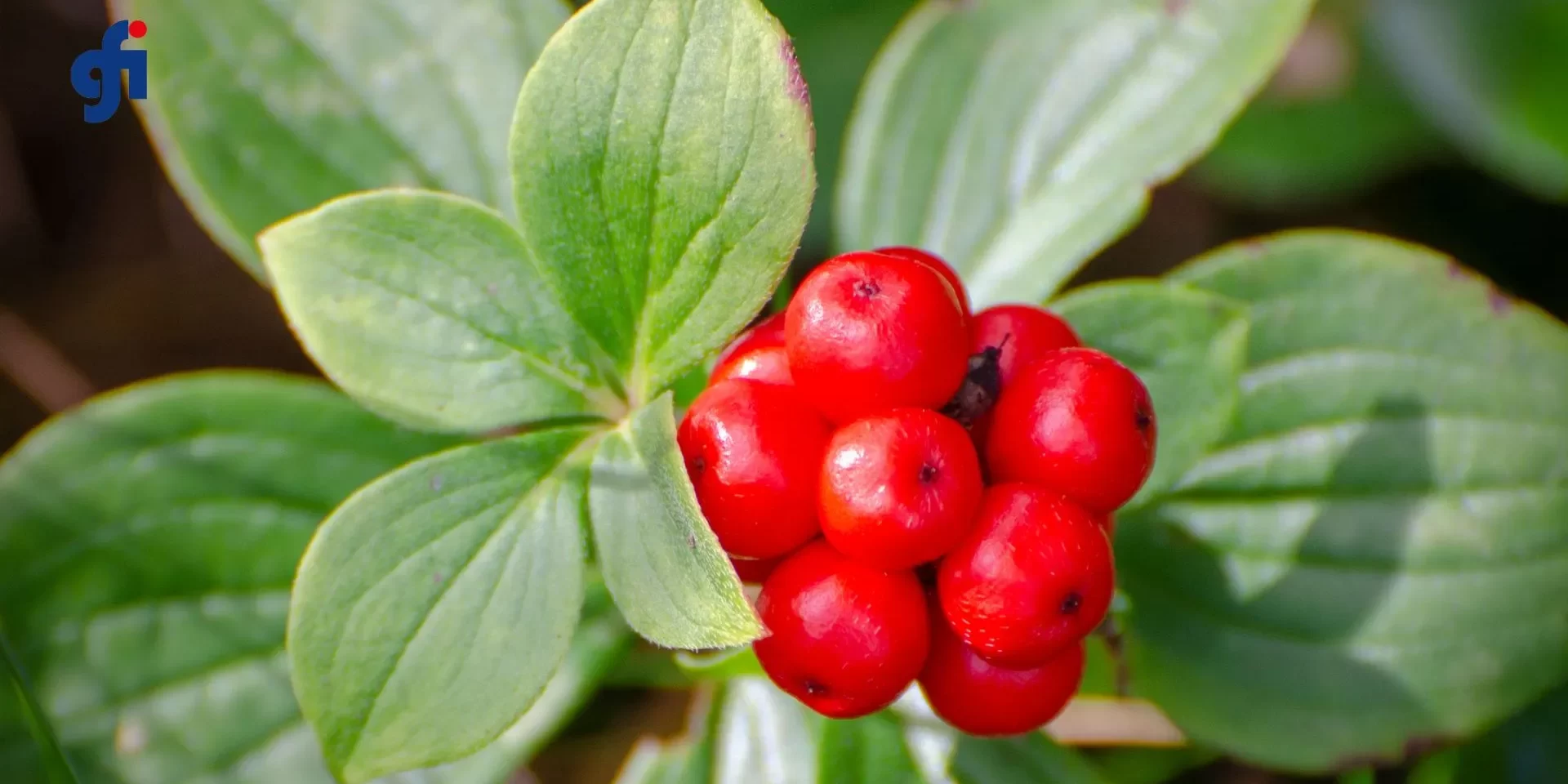
Ginseng and Prediabetes: Benefits of Ginseng Berry Saponins
Prediabetes represents a critical phase in the development of type 2 diabetes and cardiovascular diseases. It is a condition in which blood sugar levels are above normal but not yet high enough to diagnose diabetes. The standard treatment for prediabetes is based on lifestyle changes such as healthy eating, regular physical activity, and weight loss. However, not all patients manage to achieve significant improvements with these strategies alone.
In this context, new solutions are emerging, such as the use of saponins from Panax Ginseng berries, the focus of a recent study published in Phytomedicine. The results offer an innovative and natural perspective on supporting glucose metabolism in prediabetic patients.
Research Objectives on the Use of Ginseng Berries
The study was conducted to assess whether supplementation with saponins extracted from mature Panax Ginseng berries could lead to a clinically significant improvement in glycemic metabolism in individuals with prediabetes.
The focus was specifically on fasting glucose levels, two-hour postprandial glucose levels, and insulin sensitivity, as well as the effects on lipid parameters.
The authors designed a rigorous study, choosing a randomized, double-blind, placebo-controlled, crossover design to ensure reliable and scientifically valid results.
Clinical Trial Methodology
The trial involved 195 prediabetic adults, followed between 2019 and 2022. Participants were randomly divided into two groups: one initially received the placebo and then the capsules, the other followed the reverse path. Each treatment phase lasted four weeks, separated by a four-week washout interval to eliminate residual effects.
Throughout the study period, participants continued to follow lifestyle recommendations without any additional pharmacological changes. This ensured that any observed effect could be attributed solely to the capsule intervention.
Results: How Ginseng Berries Help Against Prediabetes
The data obtained were very encouraging. The treatment led to a significant reduction in postprandial glucose levels of 0.98 mmol/l compared to placebo. This is particularly important, as post-meal glucose levels are closely linked to the risk of developing type 2 diabetes.
But it wasn’t just a momentary improvement in glucose levels. Patients also showed reduced insulin and C-peptide levels, both fasting and postprandial. These results suggest an improvement in the body’s ability to effectively use the available insulin, also indicated by the reduction in HOMA-IR index and the increase in QUICKI index.
In addition to effects on glucose regulation, the treatment also brought benefits to the lipid profile. In particular, there was a significant increase in HDL cholesterol, the so-called “good cholesterol,” which plays a key role in cardiovascular protection.
Moreover, no serious adverse events were recorded, making this intervention a potentially natural and well-tolerated alternative to conventional drugs.
Why Choose Ginseng for Prediabetes
Panax Ginseng has been known for centuries for its healing properties. However, modern research has highlighted that the berries of this plant, compared to the root, contain a higher concentration of ginsenosides, especially the powerful ginsenoside Re.
Therapeutically, ginseng berries have proven effective in improving glucose metabolism, reducing obesity, and enhancing insulin sensitivity, thus offering an innovative strategy for tackling prediabetes.
Clinical Implications and Future Perspectives
Treating prediabetes remains an ongoing challenge. While lifestyle changes are fundamental, they are not always sufficient on their own. Drugs such as metformin are effective but not without side effects. The possibility of integrating a natural product offers a new avenue, particularly appealing to those seeking a gentler yet effective approach.
If further research confirms the observed benefits, ginseng—particularly its berries—could become a cornerstone of natural diabetes prevention. A strategy that combines the wisdom of traditional medicine with the rigor of modern science.
The use of ginseng berry saponins represents a concrete opportunity to improve the management of prediabetes. The results of the clinical trial are clear: reduction of postprandial glucose, improved insulin sensitivity, and increased HDL cholesterol—all without significant side effects.
If your company is interested in create or manufacture a Ginseng-based product: