
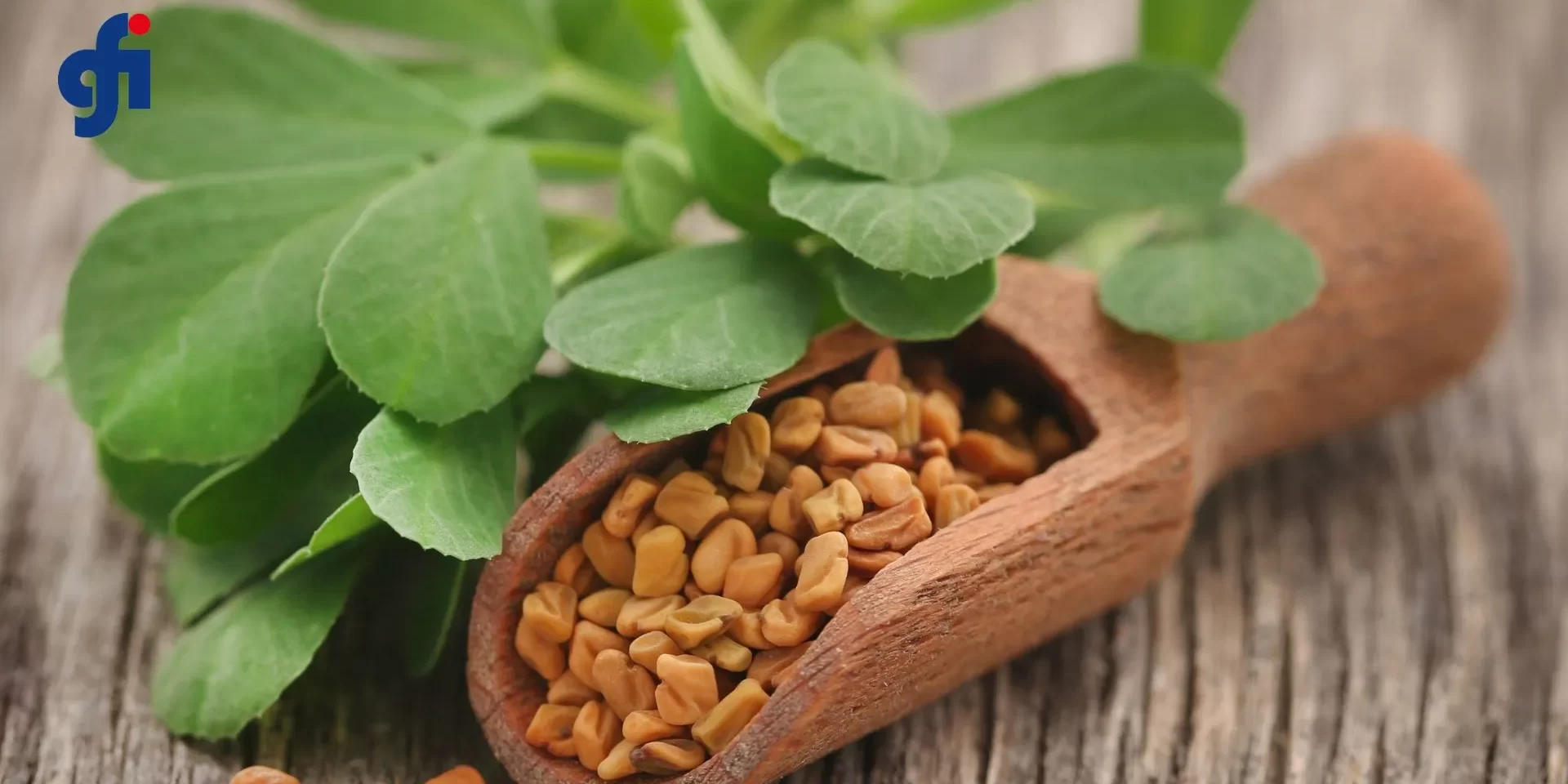
Introduction to the Role of Fenugreek in Type 2 Diabetes
Fenugreek (Trigonella foenum-graecum) is a plant widely studied for its therapeutic potential, particularly in the treatment of type 2 diabetes (T2D). Its phytochemical composition, rich in polyphenols, saponins, and flavonoids, has demonstrated hypoglycemic and antioxidant properties.
These bioactive compounds may play a key role in regulating glucose metabolism by increasing insulin sensitivity and modulating metabolic signaling pathways.
Interest in the use of fenugreek for diabetes management has grown in recent years due to clinical studies demonstrating its efficacy in reducing blood glucose levels and systemic inflammation. This study analyzes the efficacy and safety of a patented fenugreek seed extract in improving glycemic control in T2D patients undergoing standard pharmacological therapy.
Study Design and Experimental Protocol
The study was designed as a randomized, double-blind, placebo-controlled clinical trial to determine the effects of Fenugreek supplementation in diabetic individuals aged 18 to 65 years. A total of 104 participants were enrolled, divided into two groups: 42 patients received the active treatment, while 39 were assigned to the placebo group.
Randomization ensured an equitable distribution of baseline characteristics between the groups, minimizing the risk of bias in the results. Treatment efficacy was assessed through periodic measurements of blood glucose and other metabolic parameters.
Administration and Monitored Parameters
Patients took 1,000 mg of Fenugreek daily (divided into two 500 mg doses) or placebo for 12 weeks. The primary outcomes included:
- Fasting and postprandial blood glucose
- Glycated hemoglobin (HbA1c) levels
- Metabolic and hormonal biomarkers (C-peptide, thyroid-stimulating hormone [TSH])
- Clinical safety indicators via immunohematological analysis
- Liver and kidney function to assess potential side effects
Effects on Glycemic Control
After the 12-week treatment, the results showed statistically significant differences between the Fenfuro and placebo groups:
- Fasting blood glucose: 38% reduction in patients treated with Fenugreek, compared to an 18.6% increase in the placebo group.
- Postprandial blood glucose: 44% decrease with Fenugreek, with minimal variations in the placebo group.
- Glycated hemoglobin (HbA1c): 34.7% reduction in treated patients, versus a less pronounced improvement in the placebo group (21.5%).
In addition to improving the glycemic profile, patients treated with Fenfuro reported a reduction in insulin resistance, measured through HOMA-IR, and lower glycemic variability throughout the day.
Safety and Tolerability of Treatment
Clinical parameter analysis confirmed the absence of significant side effects. C-peptide, TSH levels, and other biochemical markers showed no clinically relevant variations, supporting the safety of Fenugreek supplementation. Liver and kidney function remained unchanged, confirming the good tolerability of the treatment.
Modification of Insulin Sensitivity
The hypoglycemic effects of fenugreek are attributed to its ability to:
- Increase insulin sensitivity, enhancing cellular glucose uptake.
- Regulate glucose transporter (GLUT-4) expression, promoting adequate glucose uptake by skeletal muscle.
- Modulate insulin receptors, improving intracellular signaling and reducing insulin resistance.
Antioxidant and Anti-Inflammatory Effects
Fenugreek possesses antioxidant and anti-inflammatory properties that may help protect pancreatic cells from oxidative dysfunction, a key factor in the progression of type 2 diabetes.
Additionally, its bioactive compounds appear to reduce the production of pro-inflammatory cytokines such as IL-6 and TNF-α, lowering systemic inflammatory load and improving endothelial function.
Influence on Gut Microbiota
Recent studies suggest that fenugreek extract supplementation may modulate gut microbiota, promoting the proliferation of beneficial bacteria such as Bifidobacterium and Lactobacillus, which play a key role in glucose metabolism regulation. This effect could indirectly contribute to reduced insulin resistance and improved insulin sensitivity in diabetic patients.
Key Benefits of Fenugreek in Diabetes:
✔ Reduction of fasting and postprandial blood glucose
✔ Improvement of insulin sensitivity
✔ Antioxidant and protective effect on pancreatic cells
✔ Enhancement of endothelial function and reduction of oxidative stress
✔ No significant side effects
✔ Potential beneficial action on gut microbiota
Fenugreek, proves to be a valuable ally in managing type 2 diabetes, thanks to its hypoglycemic, antioxidant, and anti-inflammatory effects.
Clinical results highlight a significant improvement in blood glucose levels and insulin sensitivity, with no relevant side effects.
Additionally, its positive impact on gut microbiota opens new perspectives for an integrated metabolic approach. Fenugreek supplementation could, therefore, represent a safe and effective complement to conventional diabetes therapies.
If your company is interested in creating or manufacturing a product to counter the symptoms of type 2 diabetes:
Source: January 2024, “A randomized double-blind placebo-controlled trial to assess the safety and efficacy of a patented fenugreek (Trigonella foenum-graecum) seed extract in Type 2 diabetics”, PubMed