
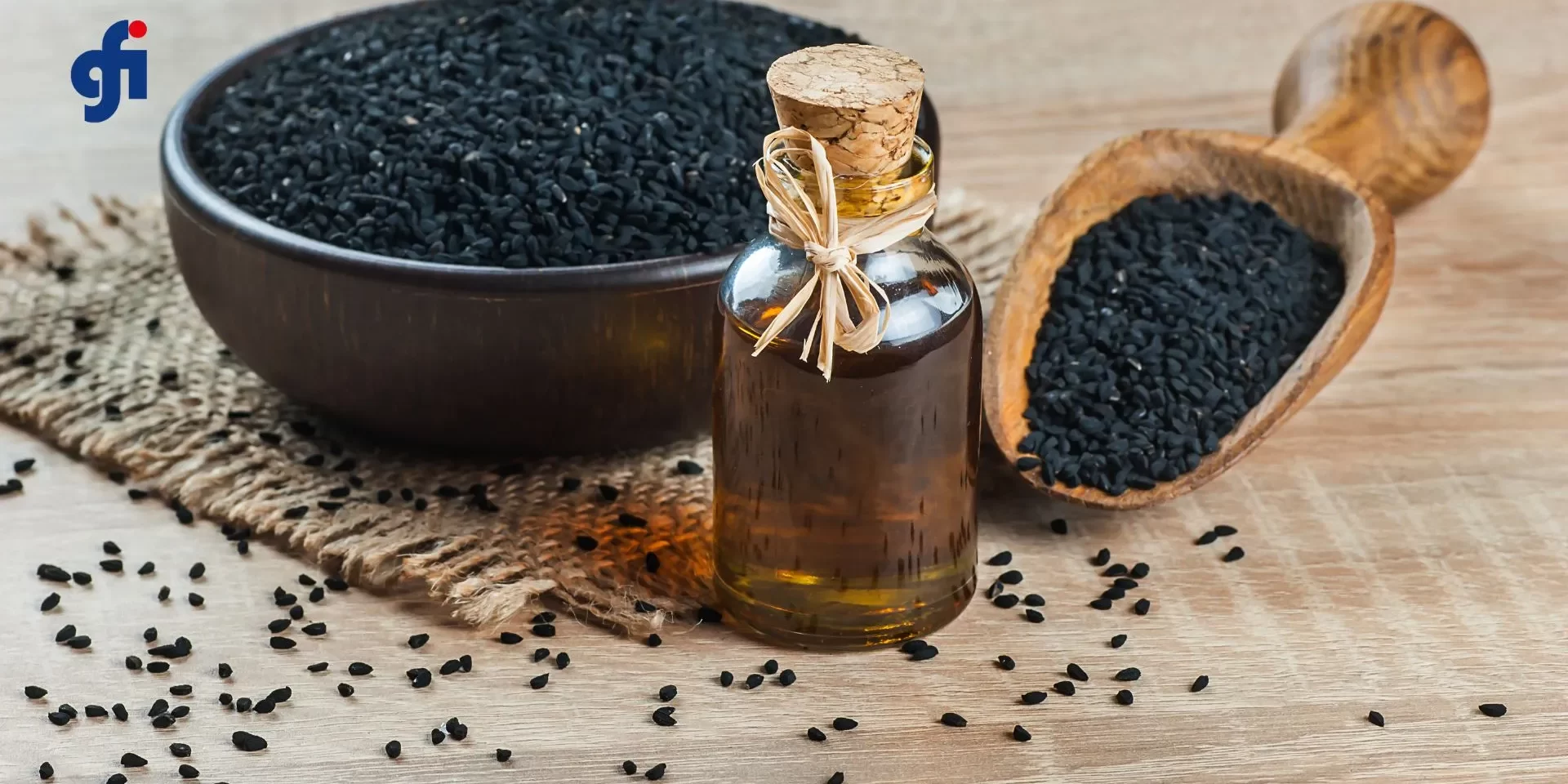
The importance of breast milk and the role of galactagogue plants
Breastfeeding is recognized as the optimal method for nourishing infants during the first months of life. The World Health Organization recommends exclusive breastfeeding for at least six months, but many new mothers experience difficulties, including the perception of having low milk supply.
To address this issue, various cultures rely on natural remedies known as galactagogues—substances that stimulate or increase milk production.
Two plants traditionally used for this purpose are green cumin (Cuminum cyminum) and nettle (Urtica dioica). Both are rich in phytoestrogens, plant compounds that mimic the action of estrogens and may contribute to milk production.
However, few clinical studies have rigorously verified their effectiveness. A recent Iranian clinical study, published in 2024, aimed to fill this gap by comparing the effects of oral cumin and nettle drops on various indicators of breast milk adequacy.
Clinical study: design and methodology
The study was conducted between August 2020 and March 2021 in Iran at a university-affiliated health center of the Tehran University of Medical Sciences. It was a randomized, controlled, triple-blind trial, in which neither the participating mothers, nor the healthcare providers, nor the researchers were aware of the group assignments.
A total of 117 healthy new mothers with infants aged 10 to 15 days were enrolled. The participants were divided into three groups (39 per group):
- Cumin group: received oral drops containing green cumin extract.
- Nettle group: received nettle-based drops.
- Placebo group: received neutral drops without active ingredients.
Each woman took 15 drops, three times a day, continuously for four weeks.
Indicators measured before and after treatment
To assess the effectiveness of the drops, researchers measured the following objective indicators of breast milk adequacy:
- Infant weight
- Frequency of breastfeeding
- Number of wet diapers per day
- Weight of wet diapers
- Frequency of neonatal defecation
These parameters were recorded both at the beginning and at the end of the study.
Main results of the clinical study
Data analysis showed that before the treatment there were no significant differences among the three groups in infant weight or other indicators. This ensures that any observed changes were due to the treatment received.
At the end of the four weeks, the groups treated with cumin and nettle showed significant improvement in all indicators compared to the placebo group. Specifically:
- Infants of mothers who had taken cumin or nettle weighed more.
- The number of daily breastfeeding sessions increased.
- Wet diapers were more numerous and heavier.
- Defecation was more frequent.
All these findings indicate a more abundant milk production.
Cumin outperforms nettle in effectiveness
The most interesting finding is that, with the same treatment duration, cumin had a significantly greater effect than nettle in all indicators:
- Greater increase in infant weight.
- More feedings and higher perceived milk production.
- Heavier and more frequent diapers.
This suggests that green cumin may be more potent as a galactagogue compared to nettle.
Mechanism of action: phytoestrogens and hormonal stimulation
The possible lactogenic effects of cumin and nettle are attributed to the presence of phytoestrogens, compounds that bind to estrogen receptors and stimulate the secretion of prolactin and oxytocin, hormones essential for milk production and ejection.
In addition, cumin contains essential oils and flavonoids that can improve digestion and reduce stress, two factors that indirectly affect breastfeeding quality.
Advantages over pharmaceutical galactagogues
Many drugs used to increase milk production, such as domperidone or metoclopramide, can cause side effects and require a medical prescription.
Cumin or nettle drops represent a natural, safe, easily accessible, and culturally acceptable alternative—especially in countries like Iran, where these plants grow natively.
The study also reported no significant side effects or adverse reactions in mothers or infants.
For midwives, pediatricians, and lactation consultants, these results open new therapeutic possibilities, even in resource-limited settings. The use of natural supplements such as cumin could become a recommended option, always with respect for individual safety and medical guidance.
if your company is interested in creating or manufacturing a product to stimulate milk production: