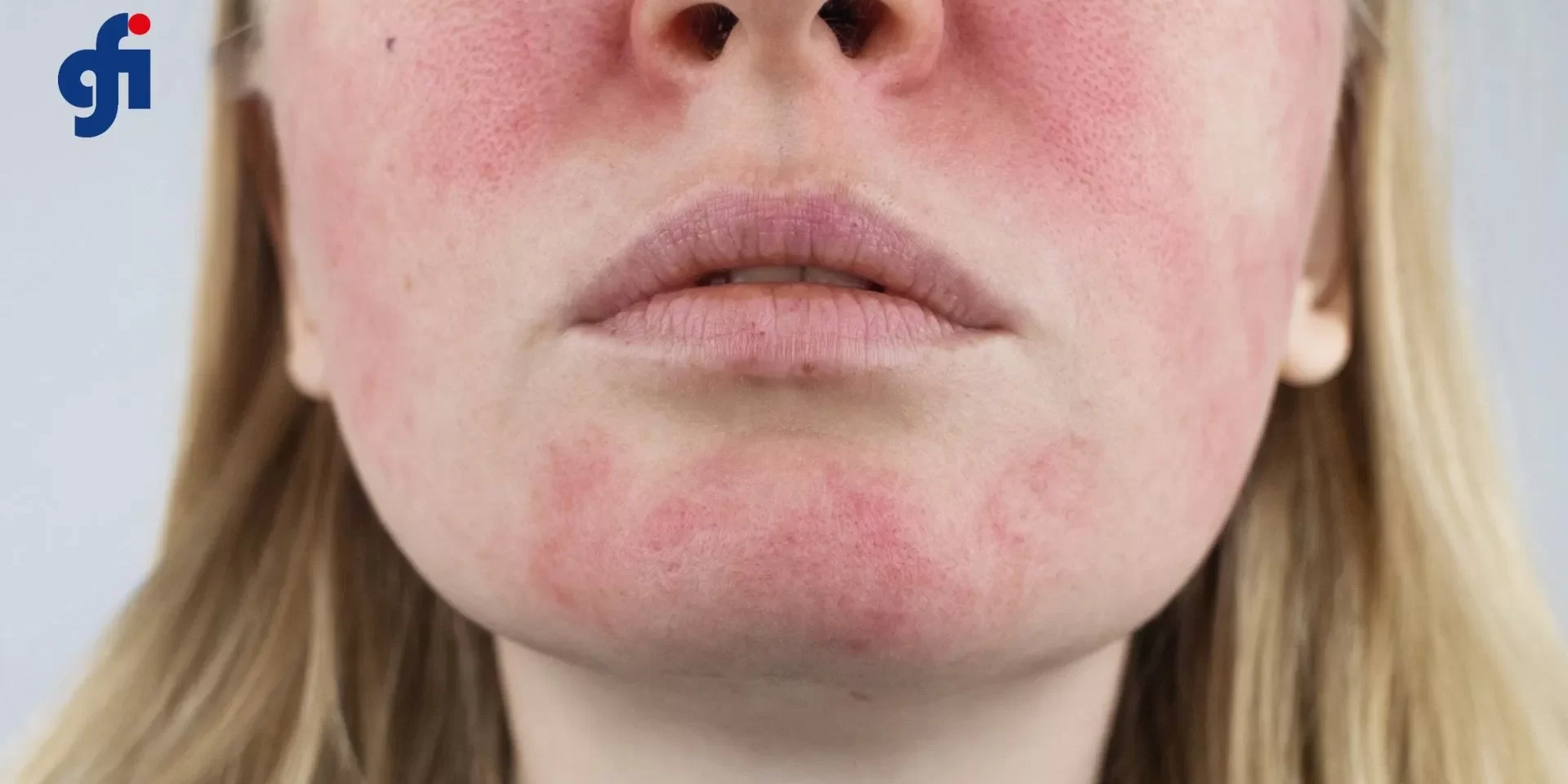
Centella Asiatica Face Mask: An Effective Treatment for Rosacea
Rosacea is a chronic inflammatory condition of the facial skin that affects millions of people worldwide. It is characterized by symptoms such as persistent redness, burning, dryness, itching, and, in some cases, papulopustular lesions.
A key aspect in managing rosacea is the restoration of the skin barrier, which is often compromised. In recent years, dermocosmetic products with soothing and reparative functions have played an increasingly important role in supporting pharmacological treatments.
A clinical study published in 2024 evaluated the efficacy and safety of the Dr. Yu Centella asiatica repairing facial mask as an adjunctive treatment to antibiotic therapy in patients with mild to moderate rosacea.
A Randomized Clinical Trial Involving 64 Patients
The study involved 64 women between the ages of 25 and 60 diagnosed with mild to moderate rosacea. It was conducted in two dermatology centers in Shanghai. Participants were randomly assigned to two groups in a 3:1 ratio:
- Mask group (n = 47): applied the Centella asiatica face mask three times a week, in addition to a moisturizing cream and oral minocycline taken twice daily.
- Control group (n = 17): used only the moisturizing cream and the antibiotic.
The treatment lasted six weeks. Assessments were conducted at baseline, week three, and week six, and included both objective and subjective measures.
Significant Clinical Benefits with the Use of the Mask
The study showed very positive clinical results for the group using the mask. Notably, significant improvements were observed in the following parameters:
- IGA score (Investigator Global Assessment): a key indicator of overall rosacea severity, improved as early as week three.
- Skin dryness: reduced flaking and improved hydration.
- Flushing (sudden facial redness): decreased more significantly in the mask group than in the control group, with a statistically significant difference (p = 0.037).
- Lesion severity: visible reduction in areas with papules, pustules, and erythema.
These results suggest that the mask actively helps soothe and rebalance rosacea-prone skin, enhancing the effectiveness of systemic treatment.
Subjective Evaluation: Improvement in Symptom Perception
In addition to clinical parameters, patients completed self-assessment questionnaires to monitor their skin sensations. The group using the mask reported a significant reduction in uncomfortable symptoms such as:
- Burning and stinging
- Heat sensitivity
- Skin tightness
- Itching and pain
- General discomfort
While these improvements were also present in the control group, they were more pronounced and occurred earlier in the group treated with the mask. Subjective relief was an important factor in promoting treatment adherence.
Centella Asiatica and Trehalose: Key Ingredients Behind the Formula
The composition of the mask is central to its effectiveness. The main ingredient is Centella asiatica, a plant known for its:
- Wound healing and regenerative properties through collagen synthesis stimulation
- Anti-inflammatory and soothing effects to reduce redness and itching
- Antioxidant benefits to protect the skin from oxidative stress
The primary active compound, asiaticoside, plays a crucial role in improving inflammatory skin conditions. The mask also contains trehalose, a natural prebiotic that helps rebalance the skin microbiota, strengthen the skin barrier, and improve skin tolerance in sensitive individuals.
Safety and Tolerability: No Side Effects Reported
Throughout the treatment period, no adverse events were recorded. This makes the mask a safe option even for the most reactive skin types. The fabric format ensures optimal adherence to the face and facilitates active ingredient penetration in a moist and protected environment. The excellent tolerability, combined with the clinical benefits, supports the mask’s use as an integral part of a therapeutic skincare routine.
A Valuable Cosmetic Support in Rosacea Management
The use of Dr. Yu Centella asiatica repairing mask, in combination with antibiotic therapy and a moisturizing cream, significantly improved both the clinical and subjective symptoms of rosacea.
Thanks to targeted actives such as Centella asiatica and trehalose, the mask helps strengthen the skin barrier and enhance overall skin quality.
This study marks an important step forward in recognizing the efficacy of functional cosmetics as complementary treatments for rosacea, offering patients a more comprehensive, effective, and well-tolerated approach.
If your company is interested in creating or manufacturing a rosacea management product:
Source: October 2024, A two-center randomized controlled trial of a repairing mask as an adjunctive treatment for mild to moderate rosacea, PubMed.