When diet and medication are not enough, science turns to nutraceuticals
Cholesterol is not a substance to eliminate. It is a structural and essential component. It participates in the construction of cell membranes, the production of steroid hormones, and the synthesis of vitamin D. Without it, the system would not function.
The problem arises when the mechanism that regulates its production, transport, and elimination loses precision. This does not happen in a single day. It is a silent, progressive process, often invisible until a blood test reveals the imbalance.
Dyslipidemia is rarely an isolated event. It is the result of a metabolism that, over time, becomes less efficient at managing excess. And when values begin to exceed recommended thresholds, intervention becomes necessary.
Statins have represented a turning point in cardiovascular prevention. They remain the standard of care. However, cholesterol management is not always straightforward: not all patients reach their desired targets, and a significant proportion report tolerability challenges over the long term.
It is in this space—between nutrition and pharmacological therapy—that a practical question emerges: is there a way to support lipid metabolism without immediately resorting to intensive intervention?
Bergamot has entered this discussion with data worthy of attention. Not as a miraculous alternative, but as a modulator. Not to replace, but to complement.
A citrus fruit with a distinctive biochemical profile
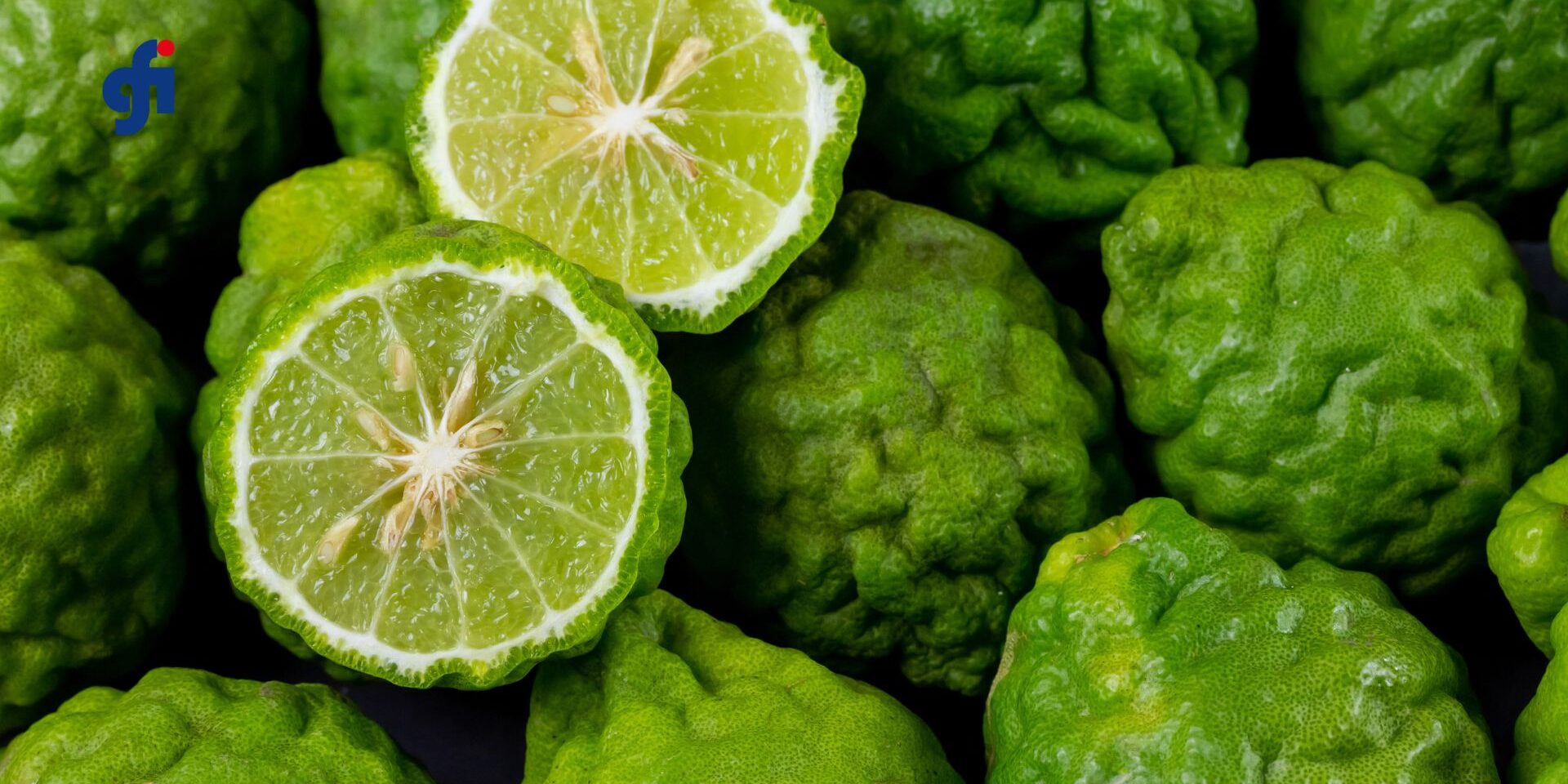
Citrus bergamia stands out not only for its aroma. Its polyphenolic fraction contains flavonoids structurally similar to molecules capable of interfering with hepatic cholesterol synthesis.
The systematic review published in Critical Reviews in Food Science and Nutrition analyzed twelve clinical studies conducted in adults with altered lipid profiles, involving approximately 870 participants. This is not a single trial, but a body of evidence observed across different contexts.
The emerging data are not spectacular, but they are consistent: in most studies, a significant reduction in total cholesterol, LDL, and triglycerides is observed, often accompanied by an increase in HDL.
It is not an isolated effect on a single parameter. It is a global modulation of the lipid profile.
Not suppression, but regulation
Interest in bergamot concerns not only the magnitude of reduction, but the way in which it occurs.
Bergamot polyphenols appear to act on multiple levels: they influence hepatic cholesterol synthesis, promote improved management of circulating lipoproteins, and help limit LDL oxidation. This is an intervention that does not drastically block a single pathway but instead guides the system toward a more stable metabolic balance.
This aspect is particularly relevant in cases of moderate dyslipidemia, where the goal is not to dramatically lower extremely high values, but to restore metabolism within safe margins before cardiovascular risk significantly increases.
Dosage matters
An interesting element emerging from the analyzed studies is that the effect appears dose-dependent.
With lower doses, changes are moderate. With higher dosages, reductions become more pronounced—sometimes approaching results observed with low-dose statins.
This is not a direct comparison nor a therapeutic equivalence. It is an indication of potential.
This suggests that bergamot may be evaluated within personalized strategies, particularly in individuals who are in an intermediate phase: not yet candidates for intensive pharmacological therapy, or already under treatment but with room for optimization.
When tolerability becomes an issue
A proportion of patients receiving statins report side effects that may reduce long-term adherence. In some studies, the association between bergamot and low-dose statins has shown additional improvements in lipid profile parameters.
This is not about replacing medication, but about exploring complementary strategies that help achieve targets while maintaining good tolerability.
In clinical practice, the difference is often determined not only by theoretical efficacy, but by long-term sustainability.
Limitations do not negate direction
Like any review, this one also highlights limitations: differences in dosages used, variability in formulations, sometimes small sample sizes, and methodologies that are not always homogeneous.
We are not facing a definitive solution. Nor a consolidated pharmacological alternative.
But when different studies conducted in diverse settings show a converging trend, it is worth further investigation.
The biological signal is present. The direction is clear.
Managing cholesterol means managing the system
Dyslipidemia is not merely a number to reduce. It is a metabolic system to rebalance.
In this sense, bergamot positions itself as a nutraceutical intervention capable of fitting between prevention and therapy, supporting the mechanisms that regulate the synthesis, transport, and elimination of lipids.
It is not a natural shortcut—it is a progressive modulation. And perhaps, in an era in which cardiovascular risk accumulates over time, progressivity itself may become a strategy.
If your company is looking to develop or manufacture a bergamot extract–based product:
Source: Lamiquiz-Moneo I. et al., Effect of bergamot on lipid profile in humans: A systematic review, Critical Reviews in Food Science and Nutrition, 2020.