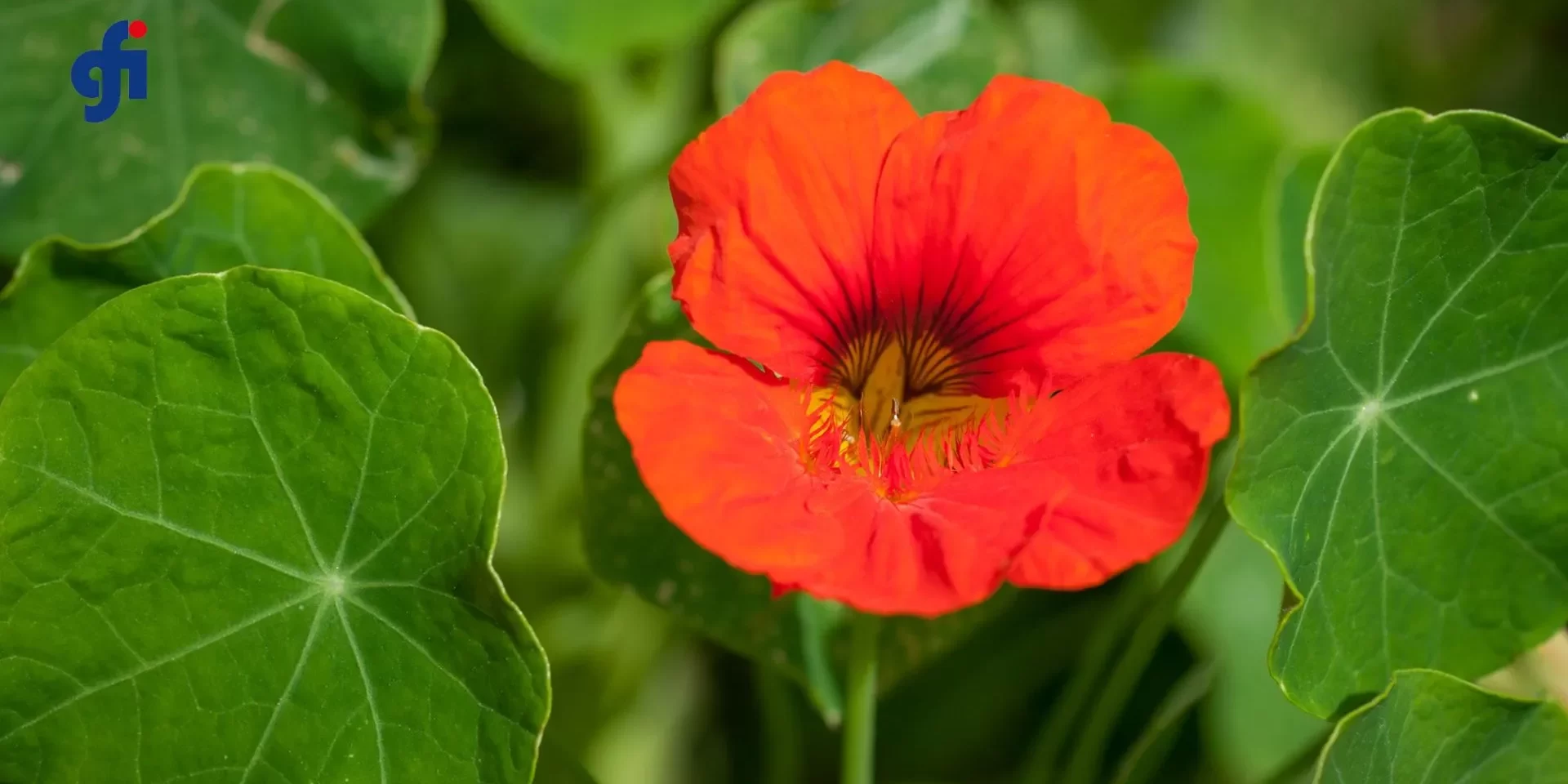
Natural asthma treatment: antioxidants and inflammation under control
Nasturtium officinale, commonly known as watercress, is a plant belonging to the Brassicaceae family. It has been used for centuries in traditional Iranian medicine to treat respiratory disorders such as bronchitis and asthma.
Recently, the scientific community’s interest in natural remedies has led to investigations into the clinical efficacy of the hydroalcoholic extract of this plant in asthmatic patients.
A study published in the Journal of Ethnopharmacology evaluated, through a randomized, controlled, and double-blind clinical trial, the effect of nasturtium extract on the reduction of oxidative stress and the increase in antioxidant capacity in subjects suffering from asthma.
Asthma and oxidative stress: a pathological link
Asthma is a chronic inflammatory disease of the airways involving complex immune mechanisms, which can have serious consequences on patients’ quality of life. One of the central aspects of the disease is the excessive production of reactive oxygen species (ROS)—harmful molecules that cause inflammation and cellular damage, worsening respiratory symptoms.
ROS production in asthmatic patients can exceed the body’s antioxidant capacity, promoting a state of persistent oxidative stress. In this context, natural antioxidants can be an important therapeutic ally to complement standard pharmacological therapies.
The clinical study: methodology and sample
The trial involved 60 patients with moderate asthma followed at the Shahid Mofattah Clinic in Iran, all undergoing conventional asthma treatments. The participants were divided into two groups: one received capsules containing 500 mg of hydroalcoholic nasturtium extract twice daily for 4 weeks; the other received a placebo.
During the study, blood samples were collected at the beginning and end of the treatment to measure various inflammation and oxidative stress markers, including MDA (malondialdehyde), PCO (protein carbonyls), and FRAP (ferric reducing antioxidant power).
Main results: reduction of oxidative stress
The study’s results were encouraging. After four weeks of treatment with NOE (Nasturtium officinale extract):
- A significant decrease in MDA and PCO levels was observed, both key indicators of oxidative stress.
- FRAP levels increased significantly, indicating improved antioxidant capacity in the treated group.
- Nitric oxide (NO) levels, which are involved in regulating lung function and potentially harmful in excess, decreased more markedly in the NOE group compared to the placebo group.
Inconsistencies and observations on inflammatory markers
Contrary to expectations, changes in inflammatory cytokine levels were not uniform. In particular:
- IL-13 decreased significantly in the treated group, suggesting a positive effect on Th2-type inflammation.
- However, IL-1 increased in the NOE group, a result that requires further investigation.
- No significant changes were observed for TNF-α or IgE.
These mixed results indicate that, although nasturtium shows promising antioxidant properties, its effect on the immune system is complex and warrants further study.
A promising natural supplement
The collected data suggest that Nasturtium officinale extract may represent a useful complement to conventional asthma therapies, particularly due to its ability to improve antioxidant status in patients.
If your company is interested in creating or manufacturing a product for the treatment of asthma: