
From ancient remedies, a response that now speaks the language of science
There are remedies that move quietly through the centuries. Then, at a certain point, they begin to make themselves heard by science.
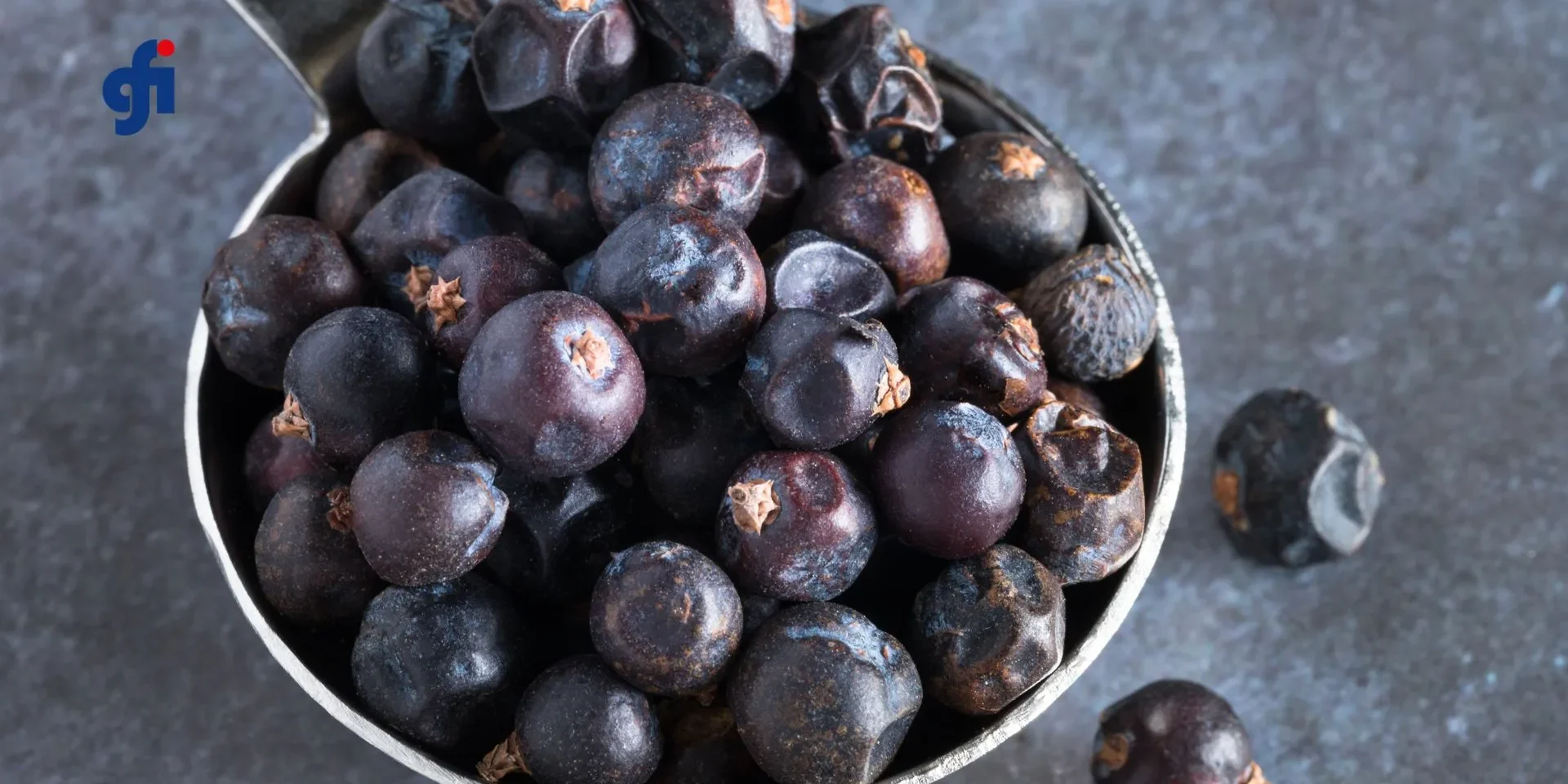
Abhal, botanically known as Juniperus communis, is one of those plants undergoing this transition. Used for centuries in Unani medicine for women’s health, it is now entering a completely different context: that of controlled clinical experimentation.
A widespread, often underestimated pain
Primary dysmenorrhea is not just a cyclical discomfort, but a condition that deeply affects daily life. The pain, often intense in the first days of menstruation, is accompanied by a range of symptoms—from nausea to general malaise—impacting energy, focus, and overall quality of life.
At the root of this phenomenon lies a well-defined mechanism: an overproduction of prostaglandins that triggers intense uterine contractions, reduces blood flow, and amplifies pain sensitivity.
Conventional treatments act on this delicate balance, particularly non-steroidal anti-inflammatory drugs. However, not all women tolerate them equally well, and the search for more sustainable alternatives is increasingly relevant.
A tradition taking scientific shape
In Unani medicine, Abhal has long been associated with the treatment of menstrual pain. Its properties, traditionally described as the ability to “move” and “warm,” now find a possible biological translation in its anti-inflammatory, antispasmodic, and vasodilatory effects.
What was missing, until now, was rigorous validation.
The recent study published in the Journal of Ethnopharmacology marks an important step forward: a randomized, controlled, double-blind trial comparing Abhal with a standard drug such as mefenamic acid.
When nature meets pharmacology
The results tell an interesting story. After two menstrual cycles of treatment, the reduction in pain observed in the juniper group proved comparable to that achieved with the reference drug.
But it is not only about pain intensity. Associated symptoms followed a similar pattern, while another particularly relevant aspect emerged: an improvement in perceived quality of life.
This is a dimension that rarely finds space in therapeutic protocols, yet it represents one of the most concrete outcomes for those living with this condition.
Equally significant is the safety profile: the absence of reported adverse effects strengthens the interest in this phytotherapeutic option.
Beyond the symptom: a look at mechanisms
One of the most innovative aspects of the study is the analysis of uterine blood flow through Doppler techniques.
The results do not show statistically significant differences between groups, but they suggest the presence of slight changes in hemodynamic parameters. A subtle signal, not yet conclusive, but one that opens new hypotheses on how the plant may interact with the physiological mechanisms underlying dysmenorrhea.
It is precisely in these details that future research may make the difference.
Inside the berry: an active complexity
The effectiveness of Abhal lies within a rich and articulated chemical framework. The berries of Juniperus communis contain a variety of bioactive compounds, including flavonoids, phenols, and terpenes such as α-pinene and limonene.
These molecules contribute to a combined action involving inflammation, pain perception, and muscle tone. Once again, it is not a single compound that defines the effect, but the interaction between multiple components—mirroring the dynamics observed in other phytocomplexes studied in pharmacology.
An increasingly concrete dialogue
What makes this study particularly meaningful is not only its scientific value, but also its symbolic one. It does not simply test a remedy—it builds a bridge between seemingly distant medical systems.
Unani medicine, with its own language and conceptual framework, meets modern experimental methodology. The result is not just validation, but a dialogue that enriches both perspectives.
A perspective opening forward
Abhal thus emerges as a potential option in the management of primary dysmenorrhea: effective in pain control, well tolerated, and capable of improving quality of life.
This is not an endpoint, but a beginning. Larger studies, confirmations, and deeper insights into mechanisms of action will be needed.
Yet the message is already clear: some answers, rooted in tradition, can gain new strength when examined through the lens of science.
And in that encounter, something new often begins.
If your company is interested in developing or manufacturing a product based on juniper berries: